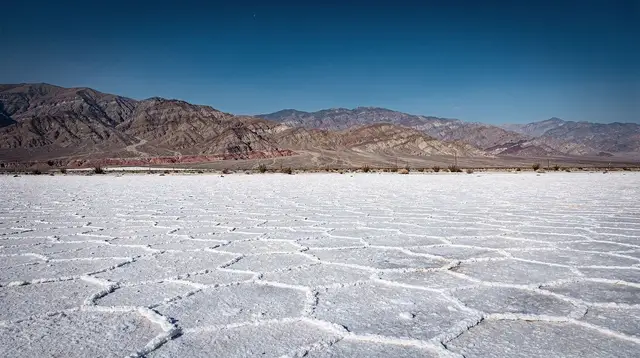
Fire Wave and White Domes: The Short Hikes of Valley of Fire
Are the Fire Wave and White Domes hikes at Valley of Fire hard?
Both are short — Fire Wave is about 1.6 km (1 mile) round trip and White Domes Loop about 1.5 km — but neither has shade, and both cross soft sand and slickrock that get very hot. Treat them as short, exposed desert walks rather than casual strolls, and go early in the day.
Two short trails, and why “short” doesn’t mean easy
Ask anyone who has photographed Valley of Fire which trail produced the shot, and the answer is almost always Fire Wave — a swirl of pink, white and orange sandstone banding that looks more like liquid than rock. The trail that gets you there is genuinely short: about 1.6 km (1 mile) round trip, with only modest elevation change. White Domes Loop, a few minutes’ drive further down the park road, is even shorter at roughly 1.5 km.
Neither trail is long. Neither is technical in the sense of requiring ropes, scrambling gear or route-finding experience. And yet both routinely catch visitors off guard, because “short” in Valley of Fire’s context does not mean “easy” or “casual.” There is no shade for the entire length of either trail. The ground alternates between loose sand and exposed slickrock that absorbs and radiates heat all day. And because both trails sit inside a desert basin with pale, light-reflecting sandstone underfoot, the sensation of heat on a summer morning can feel more intense than the thermometer reading alone would suggest.
This guide treats Fire Wave and White Domes as what they are: short, high-reward, but genuinely exposed desert walks that reward early starts and careful preparation, not casual afternoon strolls squeezed in between other stops.
Fire Wave: the trail in detail
The Fire Wave trailhead sits along the park’s main scenic loop, with a small parking area that is one of the most photographed pinch points in the whole park. From the lot, the trail heads out across open, pale-colored sand before climbing gently onto slickrock. There’s no single paved path — hikers generally follow a mix of worn ground and small rock cairns that mark the general route, which means a bit of attentiveness matters even on a walk this short.
The reward comes after 10-15 minutes of walking: a large expanse of banded sandstone where alternating layers of red, pink, orange and white rock have eroded into wave-like ripples. It’s a genuinely striking formation, and one of the most recognizable single images to come out of the Las Vegas region’s day-trip circuit. Most visitors spend 20-30 minutes at the formation itself, exploring different angles and vantage points, before retracing the same route back to the trailhead.
Total time, door to door, tends to run about an hour for most people, a little longer for anyone stopping frequently for photos. There is no loop option — it’s an out-and-back, so the return leg covers the same exposed sand and slickrock you crossed on the way in, now with the day’s heat further along.
White Domes Loop: the trail in detail
White Domes sits a short drive past the Fire Wave trailhead, at the far end of the park’s main road, and offers a genuine loop rather than an out-and-back. At around 1.5 km, it’s comparable in length to Fire Wave but adds a bit more visual variety in a similarly short window of time: pale, rounded sandstone domes that give the trail its name, a brief section through a narrow slot canyon squeeze, and the crumbling wooden remains of a set built for a 1966 film, still standing (in fragments) decades later.
The slot canyon portion is short — a matter of minutes — but it’s narrow enough that larger groups sometimes bunch up, and it offers the only real shade either trail provides, briefly, inside the canyon walls. Outside of that short stretch, White Domes is just as exposed as Fire Wave: open desert floor, reflective pale rock, and no tree cover anywhere along the loop.
Because the two trailheads are close together on the same road, many visitors do both in a single visit — commonly Fire Wave first, since it tends to be busier earlier in the day, then White Domes as a shorter add-on afterward.
Why timing matters more than distance here
Neither trail is long enough that fitness is the limiting factor for most visitors. Heat and light are. Valley of Fire’s defining sandstone — the same formations that make it so photogenic — are pale enough in many sections to reflect a meaningful amount of both sunlight and heat back up at hikers, on top of whatever the ambient air temperature is doing. That combination means the sensation of heat on an exposed slickrock stretch at 10am in summer can feel more severe than the same air temperature would in a shaded or vegetated setting.
The park’s own guidance and consistent visitor experience point the same direction: get to both trailheads early. In summer months (roughly May through September), arriving before 9am is a meaningful safety margin, not just a crowd-avoidance tactic. Later start times push your hike into the hours when the sand and rock are hottest and the light is harshest, both for comfort and, in peak summer, for genuine heat-illness risk on a completely unshaded trail.
There’s a second, more mundane reason to start early: the Fire Wave parking area is small. It was not built for the volume of visitors the trail now attracts, and by mid-to-late morning on weekends, holidays, and much of the spring and fall high season, it fills completely. Once it does, arriving hikers either wait for a space to open or park further away and walk in along the road — neither of which anyone plans for in advance. Do not assume you’ll find a space if you arrive after mid-morning; a small overflow situation should be expected, not treated as an unlucky exception.
What to bring, and what not to expect
Pack more water than a one-hour hike would normally suggest — there is no source to refill at either trailhead or along the trails themselves, and both routes are fully exposed. Sun protection (hat, sunglasses, sunscreen) matters more here than on a similarly short trail with tree cover, precisely because of how much light the pale rock reflects. Sturdy shoes with grip help on the slickrock sections, and closed shoes generally beat sandals given how much sand these trails cross.
A few things this guide won’t promise, because the conditions don’t support the promise: don’t count on a parking space being available at the Fire Wave lot if you arrive after mid-morning during busy periods — arrive early instead of hoping. Don’t rely on GPS or mapping apps for turn-by-turn accuracy on the final stretch of park road or on the trail itself; signal is inconsistent in the park and the unmarked, cairn-following nature of the Fire Wave route means a phone map won’t substitute for paying attention to the path. And don’t expect midday relief from the heat in summer — there is no cooler microclimate to retreat to on either trail once the sun is high.
Valley of Fire is a state park, not a national park
It’s worth stating plainly because it trips up a fair number of visitors: Valley of Fire is a Nevada State Park, run by Nevada State Parks, not a unit of the National Park Service. That means the federal America the Beautiful annual pass, which covers entry to national parks like Zion or the Grand Canyon, does not apply here.
A separate day-use entrance fee is charged at the park gate regardless of what federal pass you’re holding, and it’s paid in addition to — not instead of — any parking or tour costs. Anyone planning a broader loop through the region’s national parks should budget for Valley of Fire’s fee as its own line item.
Self-drive versus a guided tour
| Self-drive (rental car) | Guided tour | |
|---|---|---|
| Timing control | Full control — you can leave before dawn to beat both heat and parking | Fixed pickup and schedule, usually later morning |
| Parking risk at Fire Wave | Yours to manage; arrive early or risk a full lot | Driver handles parking logistics |
| Entrance fee | Paid separately at the gate | Often included in the tour price |
| Navigation | You handle the drive and the unmarked final trail approach | Guide handles routing and trail orientation |
| Other stops | You choose your own itinerary | Usually bundles Valley of Fire with other sights |
| Cost | Rental car plus fuel, roughly $50-100+/day, plus fees | Typically higher per person, but bundled |
The self-drive route from Las Vegas rewards an early start more than almost any other day trip in the region, precisely because Fire Wave’s parking constraint is so time-sensitive. If you’re comfortable renting a car and driving yourself, leaving the Strip well before sunrise in summer is the single most effective thing you can do to have a comfortable, uncrowded hike.
A guided option removes that pressure. A private day tour to Valley of Fire typically times its stops around the trailheads’ busiest windows and handles the entrance fee and parking logistics as part of the package.
For visitors who specifically want the hiking element built into a structured day rather than self-navigating, a tour built around the park’s signature hikes pairs Fire Wave and other short trails with a guide who knows the unmarked sections. And for anyone working with limited time, a half-day tour of the park can fit Fire Wave and a handful of other viewpoints into a morning without requiring a full-day commitment.
Combining the hikes with the rest of the park
Fire Wave and White Domes are usually one stop within a broader loop through Valley of Fire rather than the entire visit. Many self-drive itineraries pair the two hikes with a stop at the park’s petroglyphs and Atlatl Rock, which require no hiking at all and offer an easy contrast after two exposed trails.
Visitors combining Valley of Fire with Hoover Dam on the same day should note the driving order matters for heat management — doing the hikes early and the dam visit later in the day, when you’re less exposed on foot, tends to work better than the reverse. A full breakdown of that pairing is covered in our Hoover Dam and Valley of Fire day trip itinerary.
If Fire Wave and White Domes leave you wanting more short desert hikes without the drive time, Red Rock Canyon sits much closer to the Strip and offers a comparable set of short trails with easier access. Our broader roundup of easy hikes near Las Vegas covers both locations side by side. And because heat is the recurring theme across almost every outdoor stop in this region, it’s worth reading our Las Vegas summer heat guide before any warm-season hiking day, along with general desert driving safety tips if you’re self-driving out to the park.
Frequently asked questions about Fire Wave and White Domes
Below are the questions visitors ask most often before hiking these two trails — timing, accessibility, fees, and how to decide between driving yourself and booking a guide.
How long is the Fire Wave hike?
Round trip it runs roughly 1.6 km (about 1 mile) with maybe 30-45 metres of elevation change, and most people take around an hour including photo stops. There is no maintained trail surface for parts of it — you’re following cairns and worn paths across slickrock and sand.
How long is the White Domes Loop?
About 1.5 km (0.9 miles) as a loop, taking roughly 45 minutes to an hour. It passes through a short, narrow slot canyon section and past the white and pink sandstone formations the trail is named for, plus the remains of a 1966 film set.
Is Fire Wave accessible by wheelchair or stroller?
No. The trail crosses loose sand and uneven slickrock with no paved or hard-packed surface, which makes it unsuitable for wheelchairs and difficult for standard strollers. There is no accessible alternative route to the Fire Wave formation itself.
What time should I arrive at the Fire Wave trailhead?
Aim to be on the trail before 9am, especially between May and September. The parking area is small, fills by mid-to-late morning on weekends and holidays, and the pale sand around the formation reflects both light and heat, making midday conditions harsher than the air temperature alone suggests.
Do I need to pay to enter Valley of Fire even with a national parks pass?
Yes. Valley of Fire is a Nevada State Park, not a unit of the National Park Service, so the America the Beautiful annual pass does not cover its entrance fee. A separate day-use fee is charged at the park entrance regardless of any federal pass you’re carrying.
Can I do Fire Wave and White Domes in the same visit?
Yes — the two trailheads sit close together on the same park road, and many visitors combine both in a single morning, often alongside a stop at Atlatl Rock or the petroglyph sites nearby. Doing both back to back in cooler morning hours is more comfortable than spacing them across a hot afternoon.
Is it better to drive myself or book a tour to see Fire Wave?
A rental car gives you control over timing, which matters for beating both the heat and the crowded parking, but you handle navigation, fees and heat safety yourself. A guided tour removes the parking and navigation problem and usually bundles in other Valley of Fire stops, at the cost of a fixed schedule.
Is there shade or water at the Fire Wave trailhead?
No. There is no shade structure at the trailhead or along the route, and no water source anywhere on either trail. Carry all the water you’ll need before you leave your vehicle — there is nowhere to refill once you start walking.
Hiking and Canyoneering
Verified deep-linked GetYourGuide tours. Book through these links and we earn a small commission at no cost to you.
GetYourGuide does not provide a product photo for this activity — the image shows the meeting point, photographed by us.