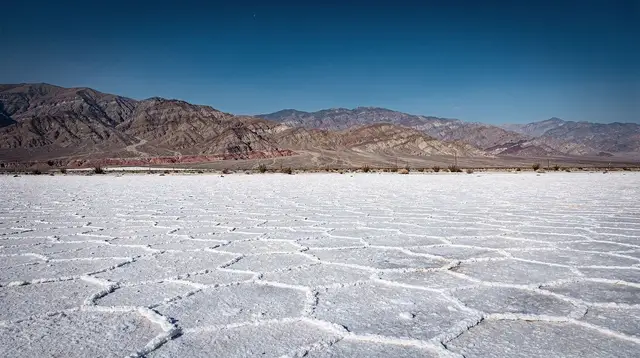
Easy Hikes Near Las Vegas: Short Desert Trails Under an Hour Away
Where can I find an easy, short hike near Las Vegas without desert experience?
Red Rock Canyon, Valley of Fire State Park and the Lake Mead shoreline all have marked trails under 5 km with little elevation gain, all within about an hour's drive of the Strip. Each site has its own entry rules, so check timed-entry reservations or park fees before you go, carry more water than feels necessary, and start early.
A short hike doesn’t mean a casual one
Las Vegas sits at the edge of the Mojave Desert, and within an hour’s drive of the Strip there are three very different pockets of desert scenery with trails short enough for someone who has never hiked outside a city park: Red Rock Canyon, Valley of Fire State Park, and the shoreline around Lake Mead. None of these require backcountry experience, technical gear, or a full day. What they do require is respecting a handful of rules that apply everywhere in this environment, rules that a flat, shaded trail back home never taught anyone to think about.
This page is a starting point, not a trail-by-trail manual. Each destination has its own dedicated guide with turn-by-turn detail, parking notes and trail maps — this page exists to help a first-time desert hiker choose where to go, understand what “easy” actually means out here, and avoid the handful of mistakes that turn a pleasant morning walk into a genuinely dangerous one.
What “easy” means in desert terms
Back home, an easy trail might mean flat pavement with a bench every quarter mile. Around Las Vegas, “easy” means something narrower: a marked, well-trodden path under roughly 5 km (3 miles) round trip, with minimal elevation gain, over ground that doesn’t require scrambling or route-finding. It does not mean shaded, cool, or forgiving of a missed water bottle. Even the shortest trails at Red Rock Canyon and Valley of Fire sit fully exposed to the sun, on rock and packed sand that radiate heat back up at you, with no drinking water anywhere on the route.
The three areas below each offer a handful of trails that meet this bar. For exact distances, trailhead directions and what to expect underfoot, see the dedicated guide linked under each one.
Red Rock Canyon: the closest option
Red Rock Canyon is about 20-30 minutes from the Strip, making it the easiest of the three to fit into a half day. It’s organized around a 13-mile scenic scenic loop drive with pull-offs and trailheads along the way, several of which lead to short, flat or gently graded trails rather than the longer backcountry routes the park is also known for. The dedicated short-hikes guide covers the specific options and what each one looks like underfoot.
One planning detail that trips up first-time visitors: Red Rock Canyon requires a timed-entry vehicle reservation for the scenic drive during the busier months, booked online ahead of your visit rather than purchased at the gate. Check the scenic drive and timed-entry guide before you leave your hotel, since arriving without a reservation on a day when one is required means turning around.
If you’d rather have the routes and history explained rather than self-navigate on a first outing, a small guided walk removes that planning layer entirely — Las Vegas’s family-friendly guided hike to Emerald Falls is built around exactly this kind of manageable, well-paced desert walk.
Valley of Fire: further out, more dramatic
Valley of Fire State Park is roughly an hour from Las Vegas, noticeably further than Red Rock Canyon but rewarded with some of the most photographed red-sandstone scenery in Nevada. It’s a paid Nevada State Park, with a per-vehicle entrance fee collected at the gate — factor that into your morning rather than being surprised by it on arrival, and see the Valley of Fire day trip guide for current specifics.
Several of its best-known short trails qualify as easy by the definition above, most famously the Fire Wave, along with a handful of other short walks to petroglyph panels and rock formations. The Fire Wave and short hikes guide and the petroglyphs and Atlatl Rock guide cover these individually with distances and what to expect at each stop.
Because it’s further from the city and gets hot early, Valley of Fire rewards an early start more than any other option on this list — plan to be through the gate well before 9am for a summer visit. For visitors who’d rather not self-drive the extra distance or navigate the park roads themselves, Las Vegas’s Valley of Fire private day tour handles the transport and pacing while still leaving time on foot at the main viewpoints.
Lake Mead: flatter ground, water views
The shoreline and surrounding trails around Lake Mead, roughly 30-45 minutes from the Strip depending on which access point you use, offer some of the flattest, most forgiving walking of the three. The terrain here trades red-rock drama for open desert and water views, and several short paths near the visitor center and along the shoreline are genuinely low-effort. Lake Mead National Recreation Area charges an entrance fee but does not require a timed reservation, which makes it a more spontaneous option than Red Rock Canyon during peak season.
Lake Mead also works well as a half-day combined with something on the water — the boat tour and cruise guide covers that option for anyone who wants to pair a short walk with time on the reservoir itself, and the Hoover Dam half-day trip guide covers combining a shoreline walk with a stop at the dam. For a different way to see the area’s coves and backcountry, Las Vegas’s guided off-road Bronco adventure to Boathouse Cove reaches ground a short walk from the main visitor areas won’t cover.
Comparing the three at a glance
| Area | Drive time from the Strip | Entry requirement | Terrain feel |
|---|---|---|---|
| Red Rock Canyon | ~20-30 minutes | Timed-entry reservation for the scenic drive (seasonal) | Rocky, scenic loop with pull-off trailheads |
| Valley of Fire | ~1 hour | Paid state park entrance fee at the gate | Red sandstone, more exposed, more dramatic |
| Lake Mead shoreline | ~30-45 minutes | Paid entrance fee, no timed slot | Flatter, open desert with water views |
Getting to the trailhead without your own car
All three areas above assume you have a vehicle, and for good reason — none of them sit on a public transit route, and the trailheads themselves are often a mile or more past the entrance gate. If you’re not renting a car for your trip, see the renting a car in Las Vegas guide to weigh that option against the alternative, which is joining a small-group tour that includes transport, parking and often a guide who points out what you’d otherwise drive past without noticing.
This is less a compromise than a genuinely different way to spend the morning. A small group versus large bus tour comparison is worth reading before booking anything, since the size of the group changes how much time you actually spend on foot versus on the vehicle.
For Red Rock Canyon specifically, Las Vegas’s 3 hour electric bike tour at Red Rock Canyon is worth mentioning here too, even though it isn’t hiking — it covers more of the scenic loop than a short walk can, with an assist that flattens out the loop’s rolling grades, and it pairs naturally with a stop at one of the short trailheads along the way for the parts you’d rather see on foot.
Turning a short walk into a fuller day out
None of the three areas above need to stand alone. Because Red Rock Canyon, Valley of Fire and Lake Mead sit within roughly an hour of each other and of the Strip, a guided day that links two of them into one outing is a common way to see more ground than a single short hike covers, without adding a second full day to your trip. Las Vegas’s Valley of Fire and Red Rock Canyon day trip is built around exactly that pairing, moving between the two in a single outing rather than requiring separate mornings.
Lake Mead pairs just as naturally with Hoover Dam, since the dam sits at the reservoir’s edge and both are reachable in the same short drive southeast of the city. Las Vegas’s small group Hoover Dam, Valley of Fire and Lake Mead tour covers all three in one trip for visitors who’d rather not choose between them, folding a shoreline walk in alongside the dam visit and a stop at Valley of Fire’s more dramatic scenery.
Beyond the three main areas
Mount Charleston, about 45 minutes from the Strip and over 2,000 metres higher in elevation, is a genuinely different environment — cooler, forested, and worth a separate mention rather than folding into the desert-trail comparison above. It isn’t desert hiking in the same sense as Red Rock Canyon or Valley of Fire, but it’s a common pairing for visitors escaping summer heat; the Mount Charleston cool escape guide and the Red Rock Canyon and Mount Charleston day trip itinerary cover combining the two.
For visitors who want to go beyond an easy trail into longer or more technical routes, the guided canyoneering guide and the broader hiking and canyoneering category cover options that go past what this page defines as easy.
One example worth naming specifically: Las Vegas’s hot springs hike at Goldstrike Canyon involves scrambling, fixed ropes in places and river crossings on the way to its waterfalls, none of which belongs on a list of easy trails — it’s mentioned here only as a marker of how quickly the terrain around Las Vegas shifts from a flat, marked path to something that requires real hiking experience, sturdy footwear and a guide who knows the route.
And regardless of which trail you choose, the desert driving safety guide and the summer heat guide are worth reading before your visit if you’re new to this climate — the drive to the trailhead carries its own version of the same heat and preparation rules as the walk itself.
The rules that apply everywhere, no matter which trail you pick
These aren’t suggestions specific to one park — they hold on every short trail covered here, and ignoring any one of them is how an easy hike turns into a bad afternoon.
- Carry more water than feels necessary. A commonly used guideline is at least 1 litre per hour of walking, more in summer heat, and it needs to be with you from the start — none of these trails have a water source along the way.
- Start early from May through September. Aim to be on the trail before 9am. Heat builds quickly once the sun is up, and there is little to no shade on any of these routes.
- Wear closed-toe shoes with real tread. Loose sand, uneven rock and low scrub make sandals a poor choice even on trails rated easy.
- Expect no phone signal. Cell coverage is patchy to absent across all three areas once you’re away from a visitor center or main road. Download an offline map before you leave your hotel’s WiFi, and tell someone your planned route and return time.
- Check the entry rules for the specific site you’re visiting. A timed-entry reservation, a park fee, and a fee-only gate are three different systems across Red Rock Canyon, Valley of Fire and Lake Mead — confirm which applies before you drive out, since the details change seasonally.
- Never assume drinking water is available on the trail. None of the sites above have potable water at trailheads beyond the main visitor center, and even that shouldn’t be counted on as your sole supply.
None of these rules are about being an experienced hiker. They’re about the fact that a desert doesn’t announce when conditions turn from pleasant to dangerous — it just gets hotter, drier and further from help than it looked from the trailhead.
Independent hike or guided outing: how to decide
A downloaded map, a full water bottle and a cooler-month morning are genuinely enough for most people on the trails listed here — these are marked, popular routes, not backcountry navigation. Where a guided outing earns its cost is less about the walking itself and more about everything around it: knowing exactly which reservation or fee applies before you arrive, having someone explain the rock formations and history as you go, and not needing to plan the drive, the timing and the heat management yourself on a first attempt.
If you’re visiting in summer, hiking for the first time in any desert environment, or simply want the day handled rather than self-organized, a small guided trip removes that layer of planning without changing what the walking itself feels like. If you’re comfortable navigating with a phone map, comfortable turning back if conditions feel off, and visiting outside the hottest months, doing it independently is a reasonable and common choice — most visitors to Red Rock Canyon and Valley of Fire are doing exactly that on any given morning.
Either way, the destination and rules above matter more than the choice between the two. For a broader look at how a short hike fits into a wider day trip, see the best day trips from Las Vegas by drive time guide, and for the general question of guided versus self-driven for day trips beyond hiking specifically, the guided tour versus rental car comparison covers the wider tradeoffs.
For a different pace of desert exploration that doesn’t involve walking at all, Las Vegas’s ATV tours cover some of the same landscapes from behind the wheel rather than on foot, a reasonable alternative for anyone whose interest is the scenery more than the hike itself.
Hiking and Canyoneering
Verified deep-linked GetYourGuide tours. Book through these links and we earn a small commission at no cost to you.
GetYourGuide does not provide a product photo for this activity — the image shows the meeting point, photographed by us.