Night Sky in Valley of Fire and Death Valley
Can you stargaze at Valley of Fire or Death Valley near Las Vegas?
Valley of Fire State Park generally closes its gate at nightfall, so free-roaming night access is limited to campers with a reserved campground site — check with the park before planning a night visit. Death Valley is a certified International Dark Sky Park with sections that stay accessible after dark, but it is roughly two hours from Las Vegas, so plan to stay overnight rather than drive back the same night.
The Las Vegas Strip produces enough light pollution to wash out all but the brightest stars, which is exactly why visitors interested in a real night sky look toward the desert parks outside the valley. Two names come up constantly in that search: Valley of Fire, the red-rock state park about an hour from the Strip, and Death Valley, the certified dark-sky national park roughly two hours away. They are not interchangeable options, and treating them as equivalent is the single most common planning mistake people make when chasing stars near Las Vegas.
The gate problem at Valley of Fire
Valley of Fire State Park is a day-use park first. Its entrance gate typically closes at nightfall, and once it closes, general public access to the park’s interior roads and trailheads is usually cut off. The practical result is that you cannot simply drive in after sunset, park at a scenic pullout, and set up for a few hours of stargazing the way you might at a fully open dark-sky site.
The one path around this is camping. Valley of Fire operates campgrounds inside the park, and visitors with a confirmed, reserved campsite are able to remain inside after the gate closes, since they are already checked in for the night rather than arriving after hours. That distinction matters: a reserved campsite is what grants after-dark access, not simply the intention to stargaze. Reservations for these campgrounds can fill up, particularly on weekends and during cooler months when overnight desert camping is most comfortable, so this is not a plan to improvise the same afternoon.
Because gate hours, campground availability, and park rules can change with the season or with park management decisions, the only reliable way to confirm current access is to check directly with Valley of Fire State Park before you build a trip around night access. Do not assume last year’s hours, or another visitor’s experience, still apply.
What Valley of Fire is genuinely excellent for is the hour surrounding sunset. The park’s red Aztec sandstone formations, including the Fire Wave, take on a deep, saturated glow in late-afternoon light that photographers specifically plan around. A well-timed visit that ends near closing time gets you the park’s best light without requiring any special night access at all.
Why Death Valley is the more realistic dark-sky trip
Death Valley National Park holds an International Dark Sky Park designation, a certification given to places that meet specific, measured standards for low light pollution and night-sky visibility. That is a formal recognition, not a marketing phrase, and it puts Death Valley in a different category from a state park with restricted night hours.
Unlike Valley of Fire, sections of Death Valley remain accessible to the public after dark, which is what actually makes organized night-sky viewing possible there. The park’s size and remoteness are part of what earns it the designation in the first place: there is very little competing light for tens of miles in most directions.
The tradeoff is distance and scale. Death Valley sits roughly two hours from Las Vegas by car, and the park itself is large, meaning the specific viewpoint you want may add further driving once you are inside it. Combined with the time needed to reach a good viewing spot, let your eyes adjust to the dark (which genuinely takes twenty to thirty minutes for full night vision), and then drive home afterward, a same-night round trip from Las Vegas is a long, tiring plan for what should be a relaxed activity.
The more workable approach is to treat a Death Valley stargazing trip as an overnight, not a late-evening excursion. Book a campsite or a room in or near the park, arrive with enough daylight left to get oriented, and give yourself the full evening rather than racing the clock on a return drive.
Trip planning resources for the wider trip are covered in the Death Valley day trip guide and the Death Valley driving safety guide, both worth reading before an overnight visit, since the road safety concerns that apply by day (heat, remote stretches, limited fuel stops) don’t disappear after dark — they just come with the added complication of reduced visibility.
Comparing the two parks at a glance
| Valley of Fire | Death Valley | |
|---|---|---|
| Drive time from Las Vegas | About an hour | About two hours |
| Night access for day visitors | Generally not available; gate closes at dusk | Portions of the park remain accessible after dark |
| Access for stargazing | Reserved campground site required | No special permit; standard entrance fee applies |
| Dark-sky designation | None | Certified International Dark Sky Park |
| Best single-visit strategy | Late-afternoon visit timed to sunset | Overnight stay, not a same-day round trip |
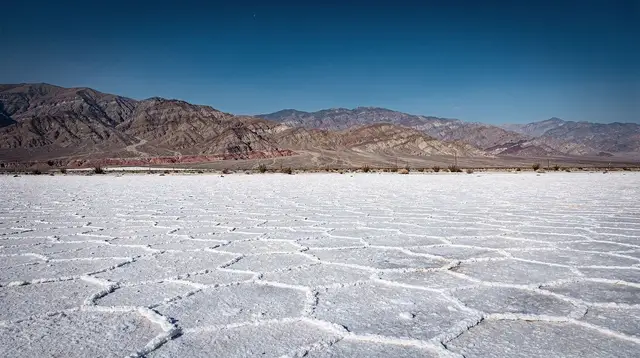
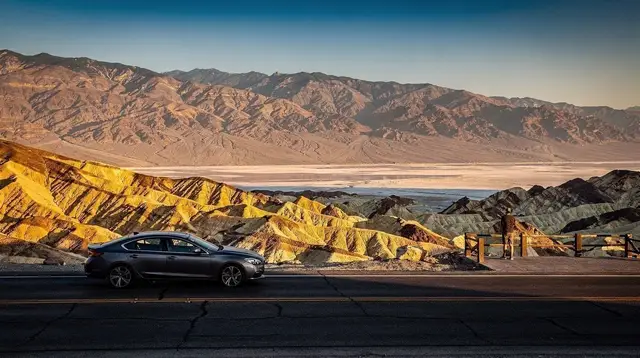
| Realistic day-trip pairing | Combine with Fire Wave or petroglyph sites | Combine with Badwater Basin and Zabriskie Point by day, stars by night |
What to pack for a desert night
Whichever park you visit, desert stargazing rewards a bit of preparation that casual day-trippers often skip.
A headlamp with a red-light mode is the single most useful piece of gear. Red light preserves night vision, both yours and that of anyone else nearby trying to see faint stars, unlike the white beam of a phone flashlight, which resets your eyes’ adjustment every time you use it.
Warm layers matter more than most visitors expect. Desert daytime heat is well known, but the same clear, dry air that makes for good stargazing also lets heat escape quickly after sunset, so temperatures can drop substantially compared to the afternoon high. Rather than guessing at a number, check the specific night’s forecast for the park you’re visiting and pack layers you can add as the evening cools.
Beyond that: bring more water than you think you need, start with a full tank of gas since fuel stops are sparse in both areas after dark, and download offline maps before you leave cell coverage, since signal is unreliable to nonexistent in the remoter sections of Death Valley and inside Valley of Fire alike.
Closer alternatives if a full trip isn’t realistic
Not every visitor has the extra day an overnight Death Valley trip requires, or the flexibility to time a Valley of Fire visit around campground availability. For a quicker, closer option, Red Rock Canyon and Mount Charleston both sit much nearer to the Strip than either Death Valley or a Valley of Fire campground, and both put real distance and elevation between you and the resort corridor’s glow.
Neither carries a dark-sky certification, and neither offers the same depth of sky as a certified park, but on a clear, moonless night away from the conservation area’s own visitor facilities, the difference from downtown Las Vegas is still noticeable. Mount Charleston’s higher elevation also means cooler, often clearer air than the valley floor, which can work in a stargazer’s favor even without official recognition. These are reasonable fallback options for visitors on a tight schedule, not substitutes for a dedicated dark-sky trip.
Booking a guided stargazing experience instead of self-driving
Self-driving to Death Valley after dark, finding a viewpoint, and driving back the next day is not the only way to do this. Guided evening tours built specifically around desert night skies exist precisely because most visitors don’t want to manage navigation, timing, and safety on unfamiliar desert roads after sunset.
A Death Valley sunset and starry night tour from Las Vegas pairs the golden-hour landscape with a dedicated after-dark viewing window, handled by a guide who already knows where to stop and how long to let eyes adjust — removing the single biggest planning burden from the equation. A similar option, the Stars Over the Land of Death Valley Adventure, follows the same logic: daytime sightseeing built around an evening sky component, rather than a bare park-entrance ticket and a hope that conditions cooperate.
These guided options do not eliminate the core tradeoff described above — Death Valley is still roughly two hours each way, and a tour that includes evening viewing will still get you home late. What they remove is the navigation risk of driving unfamiliar desert roads in the dark and the guesswork of picking a viewpoint without local knowledge, which matters more on a first visit than it might seem in advance.
For visitors who want to extend a Death Valley evening with something more restorative than driving straight back, some visitors combine the trip with a stop to soak in a natural hot springs near Death Valley, a way to use the same overnight window for more than sky-watching alone. None of this changes the core planning advice: budget the full evening and the return drive, and don’t try to compress a real dark-sky visit into a rushed after-dinner detour.
Set expectations honestly
No park, however dark, can guarantee a clear sky on a specific night. Cloud cover, haze, and moon phase all vary, and a bright, nearly full moon will wash out fainter stars even under otherwise clear conditions. Before committing to a special trip built around stargazing, check a current weather forecast and the moon phase for that specific night, and be willing to shift your date if conditions look poor.
Similarly, resist the temptation to plan around an exact overnight low temperature pulled from a general guide. Desert night temperatures shift with season, wind, cloud cover, and elevation, and the only number worth trusting is the forecast for that day, checked shortly before you leave.
Practical planning notes
For visitors set on seeing Valley of Fire at its best without navigating campground reservations, timing a regular day visit to end near sunset delivers most of what people are actually chasing: the park’s light and color, if not literal star visibility. A Valley of Fire day tour or a self-driven visit both work for this, and the Valley of Fire private day tour is built around exactly that kind of flexible, sunset-oriented pacing rather than an after-dark component the park doesn’t generally allow outside camping.
If your priority is genuinely dark skies and visible stars rather than sunset color, Death Valley is the more honest answer, provided you budget for an overnight stay rather than trying to compress it into a single evening out of Las Vegas.
Visitors who want more of the surrounding desert landscape in daylight before their overnight stargazing plan might also look at an off-road desert adventure earlier in the trip, or a guided biking and kayak combo tour along the Colorado River as a daytime complement to an evening spent under the stars. None of these substitute for checking the specific park’s current hours and reservation rules directly before you go — that single check is what separates a smooth night out from a wasted drive to a locked gate.
For a change of pace that doesn’t depend on clear skies at all, a Laughlin day trip offers a riverside alternative on a day when the stargazing forecast doesn’t cooperate.
Frequently asked questions about desert stargazing near Las Vegas
Is Valley of Fire open at night for stargazing?
Not generally for day visitors. Valley of Fire State Park’s gate typically closes at dusk, and access after that point is usually limited to visitors with a reserved campground site inside the park. Anyone planning a night visit should confirm current gate hours and camping availability directly with the park before driving out, since hours and rules can change.
Is Death Valley a good place to see stars from Las Vegas?
Yes. Death Valley National Park is a certified International Dark Sky Park, one of the designations reserved for places with unusually low light pollution and clear night skies. It sits about two hours from Las Vegas by car, and portions of the park remain accessible after dark, which is not the case at Valley of Fire.
Can I do a same-day round trip from Las Vegas for Death Valley stargazing?
It is possible but not advisable for a proper stargazing trip. Given the roughly two-hour drive each way, plus the time needed to reach a dark viewing spot and let your eyes adjust, most visitors are better off booking a campsite or a room near the park and driving back to Las Vegas the next day.
What should I pack for desert stargazing?
A headlamp with a red-light mode (so you don’t ruin your night vision or that of other visitors), warm layers even in summer since desert temperatures drop sharply after sunset, a full tank of gas, extra water, and a downloaded offline map, since cell signal is unreliable in both parks after dark.
Will it definitely be clear enough to see stars?
No one can promise that. Cloud cover, moon phase, and haze all vary night to night, and a bright moon will wash out fainter stars even under a clear sky. Check a current weather and moon-phase forecast for the specific night before you commit to the drive.
How cold does it get at night in the desert around Las Vegas?
It varies by season and can drop noticeably compared to daytime highs, especially in Death Valley’s open basin. Check that day’s forecast rather than relying on a fixed number, since desert night temperatures shift significantly with season, wind, and cloud cover.
Do I need a permit to stargaze in these parks?
No special stargazing permit is required at either park, but Valley of Fire requires an entrance fee for day use and a separate camping reservation for overnight stays, and Death Valley charges a park entrance fee. Confirm current fees and any reservation requirements before you go.
Are there guided tours that include desert stargazing?
Some Valley of Fire day tours run in the late afternoon and end around sunset, which is worth combining with the park’s photogenic light rather than expecting a night-sky component, since the park’s own after-dark access is restricted outside camping. For dedicated dark-sky time, a self-planned overnight near Death Valley is the more realistic option.
Stargazing
Verified deep-linked GetYourGuide tours. Book through these links and we earn a small commission at no cost to you.
GetYourGuide does not provide a product photo for this activity — the image shows the meeting point, photographed by us.