Guided Canyoneering Tour Near Las Vegas
Is canyoneering near Las Vegas safe to do without a guide?
No. Canyoneering involves rappelling into narrow slot canyons that can flash flood without warning, even from a storm miles away, and reliable cell service rarely reaches the canyon floor. Trips run with certified guides who carry weather updates, rigging expertise, and rescue training; this is not a self-guided activity.
Canyoneering is the one desert activity around Las Vegas that gets confused with ordinary hiking more often than it should. A hike stays on a trail or an open wash and asks only for legs and lungs. Canyoneering drops you into the actual bed of a slot canyon, on a rope, with a harness, a helmet, and a guide who has rigged that specific descent many times before. It is one of the more physically demanding and objectively riskier ways to spend a day near Las Vegas, and it is not something to attempt without a certified operator, no matter how confident a group feels reading a trip report online.
What guided canyoneering actually involves
A typical trip moves through a canyon from top to bottom, alternating between short stretches of scrambling, walking through narrow sandstone corridors, and a series of rappels down vertical or near-vertical rock faces, some only a few metres, others considerably taller. Guides fix the ropes, check every harness personally, and manage the pace of the group through each obstacle. Depending on the canyon, guests may also wade or swim through cold, still pools trapped between rock walls, which is why some routes call for a wetsuit even in warm weather, since sunlight rarely reaches the canyon floor to warm the water.
This is a guided technical sport, not a walk with scenery. It sits closer to climbing and caving than to trail hiking, and every reputable operator treats it that way: full gear briefing, a demonstration rappel, and a guide positioned at both the top and bottom of technical sections. None of this exists for a solo attempt, which is exactly the point.
Where it happens: two very different distances
Canyoneering opportunities near Las Vegas fall into two geographic groups, and mixing them up leads to a very different day than expected.
- Red Rock Canyon National Conservation Area, about 20 to 30 minutes from the Strip, hosts some shorter technical routes and scrambles suited to a half-day trip that stays close to the city.
- Southern Utah, especially the country around Zion and Kanab, holds the deeper, multi-rappel slot canyons canyoneering is best known for. These are two to three hours’ drive from Las Vegas one way, which typically turns the trip into a long full day rather than a quick outing.
Always confirm with the operator which zone a specific trip covers before booking. A half-day Red Rock scramble and a full-day Utah slot canyon expedition are priced and paced very differently, and a guest expecting the former should not end up committed to the latter.
Duration and what a day looks like
| Trip type | Typical duration | Rough distance from Las Vegas |
|---|---|---|
| Short technical route, Red Rock area | Half-day, about 4 hours | 20-30 minutes each way |
| Multi-rappel slot canyon, southern Utah | Full day, 6-8 hours on-site | 2-3 hours each way |
A half-day Red Rock outing can fit comfortably into a single morning or afternoon and leave the rest of the day free. A full slot canyon trip toward Utah usually consumes the entire day once drive time on both ends is added, so it is worth planning as the single major activity of that day rather than pairing it with anything else.
What it costs in 2026
Expect roughly $150 to $300 per person, with gear (harness, helmet, ropes, sometimes a wetsuit) and a certified guide included in that price. Where a trip lands in that range depends on canyon length, number of rappels, group size, and whether round-trip transport from a Las Vegas hotel is bundled into the fee or arranged separately. Private or small-group trips generally sit at the top of that range; larger scheduled group departures tend toward the lower end.
Choosing a canyoneering operator
Not every company selling a canyoneering trip runs it to the same standard, and the differences matter more here than for most desert activities because the margin for error in a slot canyon is thin. A few things worth checking before booking:
- Certifications and guide training. A reputable operator will state plainly what certifications its guides hold and how much canyon-specific experience they carry, rather than leaning on general adventure-tourism marketing.
- Guide-to-guest ratio. Technical sections move faster and safer with a guide managing the rope at both the top and bottom of a rappel. Ask how many guides accompany a given group size.
- Gear condition. Ropes, harnesses, and helmets are safety equipment with real wear limits. Operators who replace gear on a schedule and inspect it before every trip tend to be transparent about that practice when asked.
- Weather policy in writing. Look for a clear, published cancellation and reroute policy tied to flash flood risk, not a vague “weather permitting” line buried in the fine print.
- What is actually included. Confirm whether the quoted price covers round-trip transport from a Las Vegas hotel, lunch, and gear rental, since these vary enough between operators to change the effective cost per person significantly.
A slightly higher price from an operator that answers these questions clearly is generally worth it over a cheaper trip that dodges them.
The fitness and age reality
Canyoneering is not a family activity suited to young children, and it is worth being direct about why: descending a rope face safely requires upper body and core strength, narrow passages demand real flexibility, and wet or loose rock underfoot punishes anyone unsteady on their feet. Most operators publish a minimum age, commonly in the 8 to 12 range depending on the canyon, and reserve the right to turn away a guest on the day if they cannot manage the terrain safely. This is not a bar to clear once at booking; guides make that call again in person, at the canyon, and their decision is final.
Anyone managing a chronic joint issue, a fear of heights, or general unease in tight, dark spaces should weigh that honestly before booking, since a slot canyon offers few easy ways to turn back partway through a route.
The flash flood risk, stated plainly
This is the single most important safety fact about canyoneering in this region, and it deserves no softening: a slot canyon can flash flood from rain falling many kilometres away, well outside the canyon and even outside sight of anyone standing in it. Water can arrive as a fast, powerful surge with little or no local warning, funnelled and amplified by the very walls that make these canyons dramatic to look at. This has caused fatalities in slot canyons across the Southwest, and it is the reason certified guides check regional weather and flash flood forecasts before every departure, not just a local sky check on the morning of the trip.
The guide alone makes the call on whether a canyon is safe to enter that day, and that authority is not up for negotiation. A trip can be rerouted, delayed, or cancelled outright on a storm forecast that looks distant or minor to a guest, and a professional operator will not be talked out of that decision by a guest eager not to lose a booked day. Treat a last-minute cancellation or reroute for weather as the system working correctly, not as bad luck.
Best time of year for canyoneering
Spring and fall tend to be the seasons operators and repeat guests favor most. Air temperatures sit in a comfortable range for the drive and any exposed scrambling, canyon water hasn’t been chilled by winter yet stays cooler than the height of summer, and storm patterns are generally calmer than the monsoon stretch of the hottest months.
Summer canyoneering is still offered, but it overlaps with the desert Southwest’s monsoon season, when thunderstorms can build rapidly over mountains many kilometres from the canyon itself and send water downstream with little local warning, which is precisely the mechanism behind most flash flood incidents. Winter trips add cold water and cold rock to the usual technical demands, and some canyons scale back or pause operations altogether during the coldest weeks. Whatever the season, the guide’s read of that specific day’s forecast overrides any general seasonal pattern.
Canyoneering versus a normal hike
For travellers weighing whether they actually want the technical version of a slot canyon, it helps to see the two side by side.
| Guided canyoneering | Regular hiking | |
|---|---|---|
| Gear needed | Harness, helmet, rope, sometimes wetsuit (supplied) | Sturdy shoes, water, sun protection |
| Technical skill | Rappelling taught and supervised on-site | None required |
| Physical demand | High: strength, flexibility, comfort with heights | Variable, choose trail by difficulty |
| Guide requirement | Certified guide mandatory | Optional, many trails self-guided |
| Typical duration | Half-day to full day | Anywhere from an hour to a full day |
| Suitable for young children | Generally no | Often yes, on easier trails |
Travellers who want the atmosphere of a dramatic sandstone canyon without the rope work have a straightforward alternative close to Las Vegas: the shorter, well-marked trails through Red Rock Canyon, covered in more detail in the guide to Red Rock Canyon’s short hikes, or the cooler elevation of Mount Charleston, where the high-altitude hiking guide lays out routes that need no technical gear at all.
For a broader menu of approachable options, the easy hikes near Las Vegas guide is a useful starting point, and general trip-day guidance sits in the desert driving safety tips and the summer heat guide, both worth reading before any outdoor day trip regardless of season.
Guests set on the deeper Utah slot canyons but not on rope work at all should look at Zion National Park instead, where routes like The Narrows put visitors inside a genuine slot canyon by wading rather than rappelling.
The Zion day trip guide covers logistics from Las Vegas, and travellers curious about Kanab’s slot canyons can compare the guided technical routes described in the Kanab slot canyons guide against gentler walking options in the same area. Ambitious hikers chasing The Wave permit lottery should read the dedicated Wave permit guide well before planning a trip around it, since availability there is far from guaranteed.
If canyoneering isn’t the right fit
Not every traveller wants to spend a Las Vegas trip rappelling into a slot canyon, and that’s a reasonable call given the fitness bar and the weather-dependent nature of the activity. For a similar dose of desert adventure with a lower physical and logistical bar, a guided desert ATV tour around Las Vegas covers comparable terrain from behind the wheel rather than on a rope. Those drawn more to striking rock formations than technical descents often prefer a private day tour through Valley of Fire, which trades rappelling for sweeping red-rock scenery reachable by vehicle and short walks.
Water-based alternatives exist too: a guided kayak tour to Emerald Cave gives a taste of the same dramatic canyon walls from the calm surface of the Colorado River, with none of the rope work or flash flood exposure of a true slot canyon descent. For a lighter-effort option that still gets outside the resort corridor, an e-bike desert tour around Las Vegas covers ground quickly without demanding technical skill or the higher fitness threshold canyoneering requires.
Booking an actual trip near Kanab
For travellers who do want the real, rope-and-rappel version of this activity rather than a hike or a sightseeing walk, one practical starting point closer to the deeper canyon country is a Kanab Coral Pink Sand Dunes UTV canyoneering and rappelling trip, which pairs off-road driving with guided rappels in the terrain southern Utah is known for.
It is a useful example of what a genuine canyoneering itinerary looks like on the ground: a drive out, technical descents run by a guide, and gear supplied rather than brought from home. Anyone building a longer southern Utah itinerary around Kanab can pair this kind of trip with the Kanab slot canyons guide and the broader Zion and Bryce Canyon loop itinerary to see how a rappelling day fits alongside gentler walking routes in the same region.
Booking sense
Whichever route is chosen, a few practical habits make for a smoother day. Book with an operator that states its certifications and safety record clearly rather than one that markets mainly on adrenaline. Ask directly what happens to the trip cost if weather forces a cancellation or reroute, since policies vary.
A practical packing list for the day:
- Closed-toe shoes with real tread, already broken in, not sandals or brand-new boots
- Quick-dry synthetic clothing rather than cotton, which stays cold and heavy once wet
- A swimsuit worn underneath if the route includes any pools or wading
- Sun protection for the drive and any open, unshaded stretches of trail
- More water than feels necessary, plus a small daypack to carry it
- A dry bag or waterproof phone case if the operator allows guests to carry a phone at all on wet routes
Technical safety gear, harness, helmet, rope, and often a wetsuit for cold-water canyons, is the operator’s responsibility to provide and inspect, not the guest’s to source.
And treat any guide’s decision to shorten, reroute, or cancel a canyon trip for weather as the correct, professional call, not an inconvenience to push back against. The canyons that make this activity spectacular are the same ones that make the flash flood risk real, and no operator worth booking will pretend otherwise.
Hiking and Canyoneering
Verified deep-linked GetYourGuide tours. Book through these links and we earn a small commission at no cost to you.
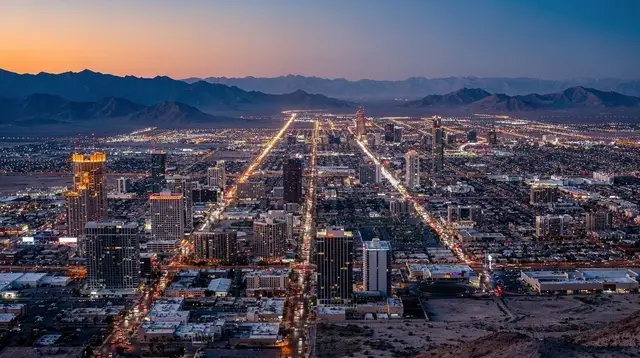
GetYourGuide does not provide a product photo for this activity — the image shows the meeting point, photographed by us.