Las Vegas by Day vs by Night: What Actually Changes on the Strip
Is the Las Vegas Strip better during the day or at night?
Night wins for walking and atmosphere: temperatures drop, sidewalks fill up, and the lighting the resorts are built around finally switches on. Daytime is better for air-conditioned indoor activities, since summer heat above 40°C makes afternoon walking genuinely risky and the street-level energy is noticeably quieter.
I’ve now walked the Strip at every hour of the day, in both January and July, and the single biggest thing that surprised me is how much the same four miles of sidewalk can feel like two different places depending on the clock. Not different in a subtle, mood-lighting way — different in ways you can actually measure: temperature, foot count, and what’s switched on around you.
Daytime on the Strip: functional, hot, and quieter than you’d expect
Walk the Strip at 1pm in July and the first thing you register isn’t the architecture, it’s the heat. Las Vegas sits in the Mojave Desert, and June-through-August daytime highs commonly land in the 38-43°C (100-110°F) range. That’s not a “bring a hat” kind of heat — it’s the kind where an afternoon walk between, say, the Venetian and Mandalay Bay (roughly the full length of the Strip) becomes a genuine test of hydration and heat tolerance. I’ve done it. I don’t recommend it in summer without a real water bottle and a plan to duck into an air-conditioned lobby every fifteen minutes or so.
The second thing I noticed is subtler: daylight is not kind to some of the Strip’s older buildings. A lot of Strip architecture, especially signage and LED facades, is engineered to be seen glowing after sunset, not scrutinized under a desert sun. In flat daylight you’ll spot chipped paint, faded awnings, and construction scaffolding that vanishes into shadow at night. It’s not that the Strip looks bad by day — but it looks utilitarian, like a working street rather than a stage set.
And here’s the nuance I want to be careful about: the Strip is not empty during the day. Casinos run 24 hours, tour buses drop off groups all morning, and there’s a steady stream of people heading to brunch, the pool, or a matinee show. It’s simply quieter at street level — noticeably thinner sidewalks, shorter waits for photos at spots like the Welcome to Fabulous Las Vegas sign, and a calmer pace outside the casinos themselves. Less “call it dead,” more “call it a rest period.”
Daytime is actually when I get my indoor errands done: wandering the Forum Shops or the Grand Canal Shoppes, taking a slower lap through the Neon Museum before the afternoon sun peaks, or booking a spa morning before an evening out. If I’m heading out to Red Rock Canyon or Valley of Fire, I do it early — sunrise departures beat the heat and the crowds at trailheads alike.
Daytime does have one advantage over the evening crush: it’s a genuinely good window for anything that involves walking and talking rather than just walking. A culinary walking tour on the Strip during the afternoon lull means smaller crowds at each stop and a guide who isn’t competing with nightclub lines for your attention — it’s the same street, but at a pace daytime actually allows.
Nighttime on the Strip: this is what it was built for
Come back to the same stretch of sidewalk at 9pm and the transformation is real, not just a feeling. Temperatures in summer can drop from the low 40s°C to something in the low-to-mid 30s°C by evening — still warm, but walkable in a way that 2pm simply isn’t. That alone explains a huge amount of what happens next: people come outside.
The Strip at night is dramatically busier at street level than during the day. This isn’t nostalgia talking — it’s the reason resorts invest so heavily in exterior lighting design in the first place: facades, marquees, and signage are built to be seen after dark, and the corridor visibly fills up once that lighting switches on and the heat breaks.
The Bellagio fountains draw dense crowds along the sidewalk and pedestrian bridge for their evening shows, and Fremont Street downtown runs its free light-and-sound canopy show specifically as an after-dark draw. None of that free programming happens at noon — it’s built around the assumption that people are outside once the sun is down.
Walking the four miles of the Strip (and yes, it really is about 4 miles / 6.4 km end to end, longer than it looks on a map) is a completely different physical experience at night. I’ve done the walk from the Strat down to Mandalay Bay both ways, and the evening version doesn’t involve ducking into casino lobbies every ten minutes just to cool down.
If walking the full length doesn’t appeal after a long day, an hour-long guided walk of the Strip’s lights and landmarks after dark covers the highlights without you having to plan the route yourself, and a 3-hour open-top night sightseeing tour is the version for people who’d rather sit and watch the Strip’s lighting go by than walk all of it.
For a completely different vantage point on the same after-dark transformation, a helicopter flight over the Strip at night shows the whole lit-up corridor at once, in a way no amount of sidewalk time can.
My actual planning rule
After doing this both ways, here’s what I’d tell a friend: in summer, flip your day. Reserve outdoor walking, photo stops, and the Bellagio-fountains-and-Fremont-Street kind of evening wandering for late afternoon into night, once the heat has broken and the lighting is on. Use the hotter daytime hours for the things that are indoors anyway — casino floors, shopping, a spa morning, an indoor museum, or a show matinee. It’s not about avoiding the Strip by day; it’s about matching the activity to the hour it actually suits.
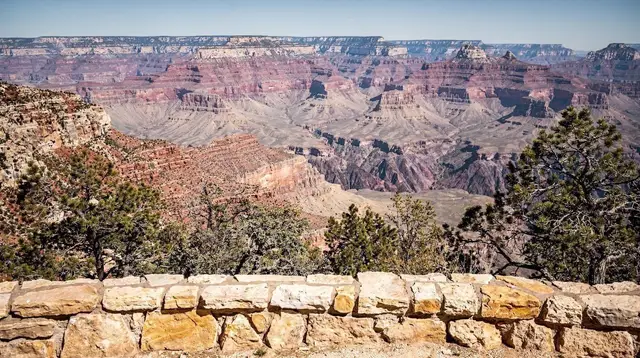
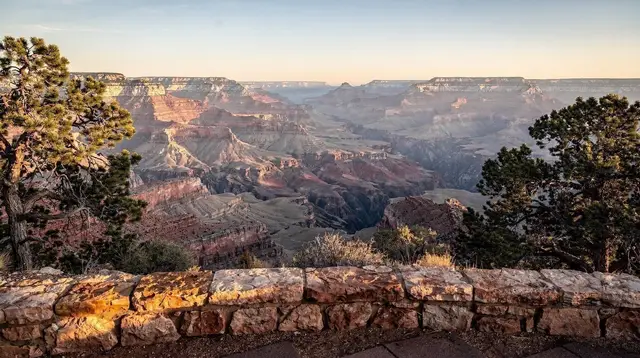
That same logic extends past the Strip itself. If I’m planning a day trip toward Grand Canyon West, I book an early departure to dodge midday heat on exposed viewpoints, and I’ve found a sunset-timed tour changes the entire character of the canyon — the light goes gold instead of flat white. It’s the same day-versus-night logic, just applied to a bigger landscape than four miles of sidewalk.
Day vs night on the Strip, side by side
| Factor | Daytime (roughly 10am-5pm) | Nighttime (roughly 7pm-midnight) |
|---|---|---|
| Summer temperature | 38-43°C (100-110°F), afternoon walking discouraged | Typically 10°C+ cooler, walkable |
| Pedestrian density | Present but visibly thinner | Noticeably denser, sidewalks fill up |
| Facades and signage | Flat daylight shows wear and construction | Lighting designed for after-dark viewing switches on |
| Free shows (fountains, Fremont) | Not running or minimal | Scheduled evening programming |
| Best use of the hours | Indoor: casinos, shopping, spa, museums | Outdoor: walking, photos, street-level energy |
If there’s one thing I’d want a first-time visitor to internalize, it’s that the Strip isn’t one fixed experience — it’s two, and which one you get depends entirely on what time you stepped outside. For getting between resorts efficiently at either hour, it’s worth knowing your monorail, tram, and bus options ahead of time, since a lot of the “the Strip is exhausting” complaints I hear are really just “I walked it at 2pm in July without a plan.”
If you’d rather not plan the route yourself
Some of this comes down to preference rather than a hard rule. If you want the after-dark version without figuring out timing, traffic, or where to stand for photos, a private night city tour of the Strip or an all-in-one night city tour with hotel pickup both take that planning off your hands, which matters more than it sounds like after a full day of heat and walking.
And if the night out is really about the bars rather than the skyline, a guided Strip bar crawl is built entirely around the hours when the sidewalks are at their busiest anyway.
Frequently asked questions about Las Vegas by day vs by night
Is the Strip empty during the day?
No. It stays genuinely busy at almost every hour — casino floors run around the clock and there’s always foot traffic. It’s simply noticeably thinner between roughly 10am and 5pm than it is after dark, not deserted.
How hot does the Strip actually get in summer?
Daytime highs from June through August commonly reach 38-43°C (100-110°F). Afternoon walking outdoors in that heat is uncomfortable at best and can be dangerous without water and shade breaks.
What time do the Bellagio fountains run at night?
The fountains run on a schedule throughout the evening, roughly every 15-30 minutes depending on the time of day, and are free to watch from the sidewalk or the bridge outside the resort.
Is it safe to walk the Strip at night?
The Strip corridor is well lit and heavily populated at night, with visible security presence outside most resorts, which is part of why pedestrian traffic is so much heavier after dark than during the day.
What should I plan for daytime hours on the Strip?
Air-conditioned indoor activities: casino floors, shopping malls like the Forum Shops or Grand Canal Shoppes, spas, museums, and any show or restaurant reservation. Save outdoor walking for late afternoon onward.
Do casinos look different during the day?
Yes. Natural daylight is unflattering to some older facades and signage that were designed to be seen illuminated after dark, so the same building can look noticeably more worn at 2pm than it does at 9pm.
Day Trips vs Walking Tours
Verified deep-linked GetYourGuide tours. Book through these links and we earn a small commission at no cost to you.
GetYourGuide does not provide a product photo for this activity — the image shows the meeting point, photographed by us.