Las Vegas in Winter: The Off-Season Guide (December-February)
Is winter a good time to visit Las Vegas?
Winter (December-February) brings mild, comfortable days around 12-18°C and cold nights near freezing, plus generally lower Strip hotel rates outside the Christmas-New Year window. Occasional snow can close mountain routes toward Zion or the Grand Circle, so outdoor plans and road trips need extra flexibility.
Winter is the desert’s calm season, with one loud exception
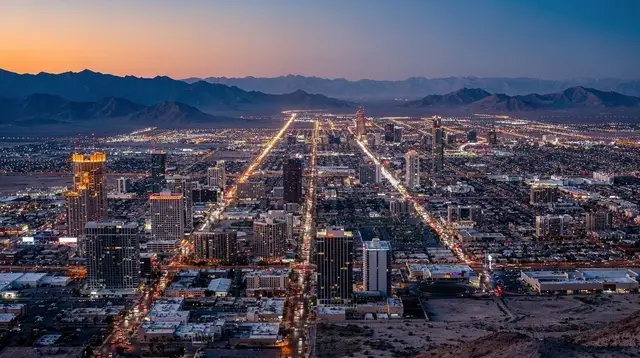
Between December and February, Las Vegas trades its scorching summer heat for something far more comfortable: mild days, cold nights, and — most weeks — noticeably thinner crowds and softer hotel rates on the Strip. It is arguably the most pleasant stretch of the year for walking the Strip, exploring Downtown/Fremont Street, or driving out to the desert parks without fighting the heat.
But winter here is not one uniform season. There is “ordinary winter” — quiet, comfortable, and relatively cheap — and there is the last week of December, which behaves like the busiest week of the year. Understanding the difference, plus a few genuine weather risks that outdoor and road-trip planning need to respect, is the point of this guide.
What the weather actually does, month by month
Las Vegas sits in the Mojave Desert, and deserts cool off fast at night even when the day feels mild. Expect a wide daily swing rather than a flat, cold season.
| Month | Typical daytime high | Typical overnight low | What it feels like |
|---|---|---|---|
| December | ~13-16°C (56-61°F) | ~2-5°C (36-41°F) | Crisp, jacket weather by evening |
| January | ~12-15°C (54-59°F) | ~0-4°C (32-39°F) | Coldest month; near-freezing nights common |
| February | ~15-18°C (59-64°F) | ~4-7°C (39-45°F) | Warming up; still cold after dark |
Daytime conditions are genuinely comfortable for walking the Strip’s roughly 4-mile (6.4 km) length or spending hours outdoors at Red Rock Canyon. The catch is what happens after sunset: temperatures can drop 10°C or more within a few hours, so an outfit that felt fine at 2pm can feel genuinely cold by 8pm on Fremont Street or on an open observation deck.
Pack layers, not just a coat
- A warm jacket or fleece for evenings, even if the day forecast looks mild.
- Layers you can shed by midday, since a sunny desert afternoon at 16°C can feel warmer than the number suggests.
- Closed shoes with good grip if any part of the trip touches higher elevation — see the snow risk below.
- Sunglasses and sunscreen regardless of temperature; winter sun at this latitude and elevation is still strong, and clear skies are the norm.
Snow is a real possibility — just not usually in the city itself
Snow settling in the Las Vegas valley is rare and, when it happens, it is typically light and gone within a day. That is not the whole picture, though. Several places within a few hours of the Strip sit at meaningfully higher elevation, and winter storms there are routine:
- Mount Charleston, less than an hour from the Strip, regularly gets real snowfall in winter and is Las Vegas’s own cold-weather escape — worth a dedicated cool-weather day trip precisely because it behaves so differently from the valley floor.
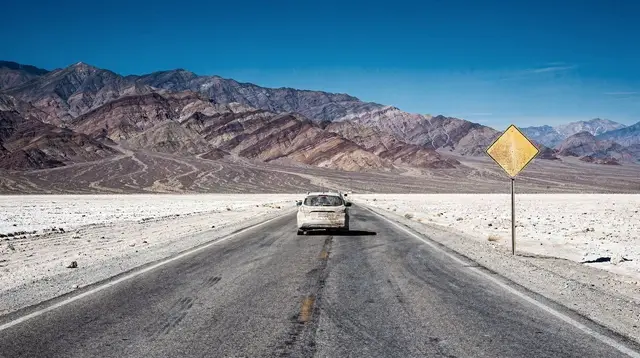
- Mountain passes on the way to Zion National Park, Bryce Canyon, or the wider Grand Circle can pick up snow and ice at elevation, even when Las Vegas itself is dry and mild.
- These conditions can lead to temporary closures on secondary roads, reduced speed limits, or chain/traction requirements on the routes into Utah and northern Arizona.
Do not assume a mountain route is open just because Las Vegas looks clear. Check current road conditions the morning of any winter drive toward Utah or Arizona, build in a time buffer, and have a fallback plan (a later departure, an alternate route, or postponing by a day) if a storm is moving through. This is especially relevant for multi-day winter trips built around Zion and Bryce or the Grand Circle, where a closed pass can cost the better part of a day.
Hotel prices: genuinely cheaper, except for one loud week
For most of December, January and February, Strip hotels sit in their off-season pricing, meaning lower nightly rates and easier last-minute availability than the crowded spring and fall convention months. This is one of the best windows of the year to book a Strip resort without paying peak rates — though resort fees, parking, and Clark County’s roughly 13% room tax still apply regardless of season, so the rate on the booking page is never the final number (see the full breakdown of resort fees, parking and taxes if this is new to you).
The exception is the holiday stretch itself. Roughly from December 26 through January 1, Las Vegas fills up for New Year’s Eve on the Strip — one of the city’s single busiest and most expensive nights of the year. Expect:
- Hotel rates spiking well above typical winter levels, sometimes above peak-summer or convention pricing.
- Shows and restaurant reservations selling out days or weeks ahead.
- Heavy pedestrian crowds on the Strip and around Fremont Street downtown (about 7 km/4 miles away), particularly the night of December 31.
A useful rule of thumb: book the holiday week early or avoid it, and treat the rest of winter as the actual bargain window. For a broader look at how holidays and events move prices across the year, see the guide to Las Vegas holidays, events and their price impact.
| Period | Typical price behavior | Crowd level |
|---|---|---|
| Early-mid December | Off-season, lower rates | Light |
| Dec 26 - Jan 1 (holiday week) | Peak pricing, often the year’s highest | Very heavy |
| Early-mid January | Back to off-season pricing | Light |
| February (non-event weeks) | Off-season pricing | Light-moderate |
Shorter days: what Pacific Time means for winter planning
Nevada stays on Pacific Standard Time (UTC-8) through the winter and does not shift to daylight saving time until March, so this is the season of the year’s shortest daylight. Sunset commonly falls before 5pm in December and January, which has a few practical effects:
- Outdoor day trips to places like Valley of Fire State Park or Red Rock Canyon need an earlier start to make the most of daylight for hiking or photography.
- Drives back from farther destinations — Hoover Dam, Grand Canyon West, or a longer haul toward Zion — may finish in the dark even on a normal daytime schedule.
- Evenings on the Strip and at Fremont Street downtown (about 7 km/4 miles away) start earlier and last longer relative to daylight hours, which suits Las Vegas’s after-dark identity but means cooler night-time temperatures set in sooner.
- If your trip also touches Utah or Arizona, remember that Nevada observes daylight saving time while Arizona (outside the Navajo Nation) does not — a detail that matters more once clocks change in spring, but worth knowing ahead of a winter-into-spring trip.
Winter activities that work especially well this season
The cooler temperatures make several outdoor and half-day activities more comfortable in winter than in the punishing summer heat:
- Desert day trips without the heat risk. A guided outing like the Las Vegas: Valley of Fire Private Day Tour covers ground that would be far more taxing in July or August, when Valley of Fire regularly bakes under extreme heat.
- ATV and off-road outings at comfortable temperatures. Desert exertion that would be risky in summer becomes far more manageable in winter’s cooler daytime highs, as on the Las Vegas: Guided Las Vegas Desert ATV Tour.
- Walking-heavy city tours. With the Strip’s summer heat off the table, a walking-based outing such as the Las Vegas: Downtown Guided Food Walking Tour is genuinely pleasant rather than an endurance test, especially around Downtown/Fremont Street.
- Historic ghost-town excursions. Winter’s mild days suit exploring old mining sites at a relaxed pace, as with the Las Vegas: Nelson Ghost Town with Mine Tour Option, without the summer sun working against you.
- A real snow day close to the Strip. For travelers who want more than a photo of distant white peaks, the Vegas Winter Adventure Mt Charleston Snow Day turns the elevation gap between Mount Charleston and the valley floor into the point of the trip, rather than a weather footnote.
For a broader comparison of when to schedule a Las Vegas trip overall, the best time to visit Las Vegas guide sets winter against the other seasons, and the summer heat guide makes the seasonal contrast clear if you’re weighing December against July.
What winter does not guarantee
To set expectations correctly:
- It will not be snow-free everywhere. The valley floor rarely sees snow, but nearby mountains and highway passes toward Utah and Arizona routinely do, and that snow can close roads without much warning.
- Holiday-week rates will not be low. New Year’s week is priced like peak season, sometimes above it — this is not the discount window the rest of winter is.
- Mountain roads will not always be passable. A route being open one day says nothing about the next; winter storms move through the region several times a season, and closures can appear or clear within hours.
Treat winter as a season of averages with real exceptions at both ends — colder nights than the daytime numbers suggest, one very expensive week inside an otherwise cheap season, and mountain weather that behaves nothing like the desert floor below it.
Multi-day winter trips beyond Las Vegas
Winter’s cooler temperatures and thinner crowds make it a strong season for multi-day tours into the wider region, provided the road-condition caution above is respected. A guided option also removes some of the self-drive risk that comes with mountain weather along the way:
- The 3 Day Winter Tour Grand Canyon Monument Valley and Zion covers three of the region’s biggest landmarks — the Grand Canyon, Monument Valley and Zion National Park — with a driver handling winter road conditions rather than a rental car navigating them alone.
- Travelers planning a similar route independently can compare timing against the Las Vegas to Monument Valley five-day itinerary, adjusting for shorter winter daylight and the possibility of weather delays at higher elevations.
- Whichever way you go, winter’s shorter days mean multi-day loops need a little more slack than the same itinerary in summer — an extra half-day of buffer is cheap insurance against a closed mountain pass.
Lower elevations closer to the Strip carry far less winter risk. Hoover Dam and Lake Mead sit well below the snow line that affects routes toward Utah and Arizona, so winter rarely disrupts a visit there, and cooler temperatures make walking the dam and the surrounding overlooks noticeably more comfortable than in summer heat. Boat-based outings such as the Lake Mead boat tour and cruise guide run through the season too, though a warmer midday departure generally beats a cold early start on the water.
Winter in Las Vegas: frequently asked questions
Does it snow in Las Vegas in winter?
Snow in the Las Vegas valley itself is rare and usually melts within a day, but nearby high elevations like Mount Charleston get regular snowfall, and mountain passes toward Zion, Bryce Canyon or the Grand Circle can see snow that closes secondary roads temporarily.
What is the weather like in Las Vegas in December, January and February?
Daytime highs typically run 12-18°C (mid-50s to mid-60s°F), pleasant for walking and outdoor tours. Nights are cold, often dropping close to freezing (0°C/32°F), especially in January, so evenings on the Strip or Fremont Street (downtown, about 7 km/4 miles from the Strip) need a warm jacket.
Are hotel rates cheaper in Las Vegas in winter?
Outside the Christmas and New Year holiday period, winter is generally the off-season for Strip hotel rates, with lower nightly prices and easier availability. The last two weeks of December are the exception: New Year’s Eve week is one of the most expensive and crowded periods of the entire year.
Is it safe to drive to Zion, Grand Canyon or Utah from Las Vegas in winter?
Interstate routes are usually clear, but higher-elevation roads toward Zion, Bryce Canyon, the Grand Circle and Mount Charleston can see snow or ice that leads to temporary closures or chain requirements. Always check current road conditions the morning of a mountain drive rather than assuming the route is open.
What time zone is Las Vegas in during winter, and how does that affect sunset?
Nevada stays on Pacific Standard Time (UTC-8) in winter and does not spring forward until March, so days are noticeably shorter than in summer, with sunset often before 5pm in December and January — plan outdoor excursions and drive-backs with that shorter daylight window in mind.
Do I still need sunscreen and sun protection in a Las Vegas winter?
Yes. The desert sun stays strong even at cooler temperatures, and clear winter skies mean high UV exposure on hikes at Red Rock Canyon or day trips to Valley of Fire, so sunscreen and sunglasses remain worthwhile even in January.
Is Las Vegas busy over the winter holidays?
Yes, and this is the one part of winter that behaves like peak season. The stretch from roughly December 26 through January 1 draws large crowds for New Year’s Eve on the Strip, with elevated hotel rates, sold-out shows and heavy Strip pedestrian traffic.
Is Hoover Dam or Lake Mead worth visiting in winter?
Yes. Hoover Dam and Lake Mead sit at much lower elevation than the mountain routes toward Zion or the Grand Circle, so winter rarely disrupts a visit, and cooler temperatures make the dam tour and lakeside walks more comfortable than in summer heat. Boat-based activities on Lake Mead continue through winter, though a warmer midday visit generally beats a cold early-morning start on the water.
Las Vegas by Season
Verified deep-linked GetYourGuide tours. Book through these links and we earn a small commission at no cost to you.
GetYourGuide does not provide a product photo for this activity — the image shows the meeting point, photographed by us.