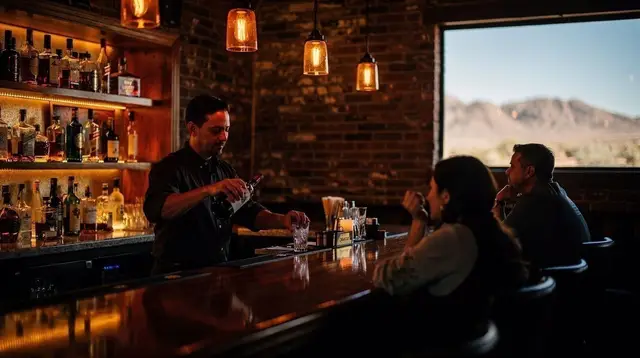
Cocktail and Cooking Classes in Las Vegas: Arts District Workshops
How much does a cocktail or cooking class cost in Las Vegas?
A cocktail-making class in Las Vegas typically runs about $60-100 per person, alcohol included, which is why it is strictly 21-and-over. A hands-on cooking class runs closer to $70-130 depending on the ingredients and courses. Most sessions last 1.5 to 2.5 hours, run in small groups, and include a tasting or full meal in the ticket price.
Learning to cook or mix drinks, away from the casino floor
Most first-time visitors picture Las Vegas as buffets, slot machines, and production shows, and the Strip delivers plenty of all three. But a few miles south, the Arts District has built its identity on the opposite instinct: small, independently owned venues doing one thing well, rather than a resort trying to be everything at once. Cocktail-making and cooking classes fit that pattern exactly. Instead of a banquet room inside a casino, you get a working kitchen or a small bar counter, a handful of other guests, and an instructor walking you through a recipe from start to finish.
This guide covers what these classes actually are, what they cost in 2026, how they differ from each other, and how to get to the Arts District from wherever you are staying. It draws a firm line between the two formats: cocktail classes involve alcohol and are strictly for adults 21 and over, while cooking classes can sometimes be more broadly accessible, but only when the specific session says so. Nothing here promises a guaranteed skill outcome, a specific chef’s presence, or a tip already folded into the ticket price — read the venue’s own listing for those details before you book.
What a typical class actually involves
Format is fairly consistent across operators, even though the subject matter differs:
- Length: most sessions run 1.5 to 2.5 hours, long enough to prepare and taste multiple items without turning into an all-afternoon commitment.
- Group size: classes are typically run in small groups, which is part of the appeal versus a 500-seat dinner show — you get more instructor attention and more time at the counter or stovetop.
- What’s included: the tasting is built into the price. A cocktail class includes the alcohol used to make and sample the drinks; a cooking class includes the ingredients for the dishes prepared, and often a full plated meal at the end.
- What’s not guaranteed: a specific named chef leading the session, a certified skill level by the end, or gratuity included in the ticket. Tip your instructor separately if the experience is good, the same as you would in a restaurant.
Cocktail classes: 21-and-over, alcohol included in the price
A cocktail-making class is exactly what it sounds like: an instructor walks a small group through the techniques and recipes behind a handful of classic or house cocktails, and you drink what you make. Because the ticket price includes real alcohol consumed on-site, every cocktail class in Las Vegas is strictly 21 and over, with photo ID checked the same way it would be at a bar or a casino floor. There is no version of this experience open to minors, even with a parent present — it is simply a different category of activity from a family cooking class, and the two audiences should never be mixed into a single recommendation.
Expect to pay roughly $60-100 per person in 2026, depending on the venue, the number of cocktails included, and whether any food pairing is built in. A guided evening built specifically around cocktail culture is the Fremont Cocktail Crawl, which trades the single-venue class format for a walking tour between several bars — worth comparing against a stationary class if you’d rather explore Downtown on foot than sit at one counter for the whole session:
a guided cocktail crawl through Fremont Street’s bar sceneIf you’d rather stay closer to the Arts District and combine a hands-on session with a full meal, several operators structure cocktail elements into a broader food-and-drink evening rather than a pure mixology class — worth asking about directly when you book, since formats change more often here than on the Strip’s resort-run experiences. For general orientation on where the city’s serious cocktail scene actually clusters, see our guide to cocktail bars and speakeasies, which covers venues beyond the class format covered here.
Cooking classes: broader in price and, sometimes, in audience
Cooking classes cover more ground than cocktail classes, both in subject matter and in who they’re suitable for. Pasta-making is the most common entry point, and pricing for these sessions tends to sit toward the lower end of the $70-130 per person range typical for cooking classes in 2026. A hands-on pasta workshop is a reasonable starting point if you want a lower-commitment introduction to the format:
a 2-hour Italian pasta-making classSome operators run a similar format at a more casual, tavern-style venue rather than a dedicated cooking studio, which can be a good fit if you’d rather the class feel like a relaxed evening than a formal lesson:
a 2-hour pasta-making class at a local tavernAt the higher end of the price range, multi-course tasting formats built around a specific cuisine push into the $100-130 territory, since more ingredients and more dishes are involved per person. A Mediterranean-focused five-course class is one example of this format:
a Mediterranean cooking class built around a 5-course mealWhether a given cooking class is suitable for kids depends entirely on the specific session — some pasta-making classes that involve no alcohol and simple, low-risk kitchen tasks (rolling dough, shaping shapes) are genuinely family-friendly, while others use knives, hot stovetops, or open flame in ways better suited to teens and adults. Never assume a cooking class is open to all ages just because it’s alcohol-free; check the listing’s stated minimum age and safety notes before booking, especially if you’re planning around younger children. For a broader look at what’s realistically workable with kids in tow, see our Las Vegas with kids guide.
Cocktail vs. cooking classes at a glance
| Cocktail classes | Cooking classes | |
|---|---|---|
| Typical price (2026) | $60-100 per person | $70-130 per person |
| Minimum age | Strictly 21+, ID checked | Varies by session — check the listing |
| Duration | 1.5-2.5 hours | 1.5-2.5 hours |
| What’s included | Alcohol used in the tasting | Ingredients, often a full meal |
| Group size | Small groups | Small groups |
| Family-friendly? | No, never | Sometimes, session-dependent |
Why the Arts District, specifically
The Strip is built around scale: 4,000-room resorts, production-line buffets, shows that seat thousands. The Arts District runs on the opposite model. It’s a compact neighborhood of independently owned galleries, bars, vintage shops, and small food-and-drink venues that trade resort polish for a more personal, small-batch feel — the kind of place where a cocktail class means eight people at a real bar counter, not a banquet hall staged for a corporate group.
If you want a sense of the neighborhood beyond the classes themselves, our Arts District walking tour guide covers the galleries, bars, and shops that make up the rest of a visit here, and pairing a class with a morning or evening walk through the district is a natural way to build a half-day out of the trip.
The tradeoff is that this intimacy comes with a location cost: the Arts District sits a few miles south of the Strip, in a genuinely separate part of the Las Vegas Valley, and it is not walkable from any major Strip resort. Rideshare or a short drive is the realistic way to get there — plan on the same kind of trip you’d make to a restaurant across town, not a stroll down a pedestrian bridge.
If you’re staying Downtown rather than on the Strip, the distance shrinks somewhat, but a car or rideshare is still the sensible option rather than walking, particularly after dark or in the region’s summer heat. For a wider comparison of where to base yourself for this kind of side trip, see where to stay: Strip vs. Downtown.
Booking a class: what to check before you pay
- Confirm the age policy in writing. For cocktail classes this is non-negotiable — 21+, ID required, no exceptions. For cooking classes, don’t assume; the listing should state a minimum age or explicitly say it’s family-friendly.
- Check what “included” actually covers. Most listings state clearly whether the tasting, a full meal, or just samples are part of the price — and whether gratuity is added automatically or left to you. Don’t assume a tip is baked in unless the listing says so.
- Don’t expect a named celebrity chef by default. Instructors and chefs can rotate between sessions at most venues. If a specific person matters to your decision, ask the operator directly before booking rather than assuming continuity with marketing photos.
- Treat it as an introduction, not a certification. A 90-minute to two-and-a-half-hour class teaches you the recipes and techniques covered that day. It’s a fun, hands-on souvenir of the trip, not a guarantee that you’ll be a competent home bartender or pasta-maker afterward.
- Book ahead for weekends and holidays. Small-group formats mean limited capacity per session, and popular time slots in the Arts District can sell out, especially around major Las Vegas events.
Building a half-day or evening around a class
A single class rarely fills an entire day on its own, which makes it a natural anchor for a broader Arts District outing. A common pattern: arrive in the late afternoon, walk a few of the district’s galleries and shops, take a cooking or cocktail class as the evening centerpiece, and finish with dinner or drinks at one of the neighborhood’s independent restaurants and bars.
If brunch is more your pace, our Las Vegas brunch guide covers daytime options that pair well with an Arts District walk before an evening class. Travelers who want to extend the “off-Strip, independent” theme further afield sometimes combine an Arts District evening with a visit to Chinatown along Spring Mountain Road, another neighborhood built around small, independently run venues rather than resort-scale operations.
For visitors staying multiple nights and looking to balance out casino-heavy days, a class-anchored evening is also a reasonable pairing with lower-key activities elsewhere in the city — an escape room session beforehand, for instance, keeps the whole evening in the same small-group, hands-on register rather than mixing in a big production show. However you build the evening, budget realistic transit time to and from the Arts District on both ends, since rideshare availability and traffic on the roads connecting it to the Strip can add 15-25 minutes each way depending on time of day.
Other Arts District food-and-drink formats worth knowing about
A stationary cocktail or cooking class is not the only way to spend an evening centered on food and drink in the Arts District. If you’d rather taste your way through several venues instead of committing to one class in one room, a guided foodie tour covers multiple stops in a single outing:
an Arts District foodie tourFor a similar multi-stop format built around beer rather than food, a brewery-focused walk through Brewery Row hits a different set of venues while keeping the same small-group, walkable structure as the food tour above:
an Arts District brewery walk through Brewery RowTravelers who liked the idea of the Fremont cocktail crawl but want to stay closer to the Arts District itself have a comparable option in a hidden-gems speakeasy crawl, which strings together several of the neighborhood’s lower-profile bars rather than parking you at one counter:
an Arts District speakeasies and hidden-gems bar crawlOn the cooking side, two more formats sit outside the pasta-and-Mediterranean range covered above. A French-focused class works through a four-course meal, which puts it in similar territory to the Mediterranean class on price and commitment, just with a different cuisine as the throughline:
a traditional French cooking class with a 4-course mealAnd for a format that skips savory cooking altogether, a chocolate-focused session with a local chef is a lower-key alternative that tends to run shorter and involves less kitchen equipment than a full pasta or multi-course class, which can make it a reasonable pick for a smaller window of free time or a group that isn’t looking for a full dinner:
a chocolate-making class with a local chefNone of these formats replace the core cocktail-or-cooking decision this guide is built around, but they’re worth knowing about if the small-group, hands-on Arts District model appeals to you and you’re looking to fill more than one evening of a longer stay. If food is the priority across your whole trip rather than just this neighborhood, our Strip food tour guide covers the equivalent guided-tasting format back on the resort corridor, useful for comparing how the two parts of the city handle the same basic idea.
How this fits into a longer Las Vegas stay
None of these classes need to be the centerpiece of your whole trip — most visitors treat them as a single evening slotted into a longer stay built around the Strip, Downtown, or a mix of both. If you’re still working out the overall shape of your visit, our guide to how many days in Las Vegas covers how a side trip like this one factors into a 3-day versus a longer stay, and first-time Las Vegas, step by step walks through where an Arts District evening might reasonably sit alongside Strip-focused days for a visitor who’s never been before.
If you’re deciding between basing yourself on the Strip or Downtown for easier access to the Arts District and similar off-Strip neighborhoods, that same where to stay: Strip vs. Downtown guide referenced earlier addresses travel time in both directions in more detail, including how it changes the practical cost of an evening like this one in added rideshare time.
Practical logistics checklist
- Getting there: rideshare or a short drive from the Strip or Downtown; not walkable from major resorts.
- Timing: 1.5-2.5 hours per class, plus travel time each way — realistically a 3-4 hour block if you’re coming from a Strip hotel.
- Dress: casual is fine for both formats; cooking classes may ask you to avoid loose sleeves near stovetops or open flame.
- ID: bring physical photo ID to any cocktail class, no exceptions, exactly as you would for a bar or casino floor.
- Budget: $60-100 for a cocktail class, $70-130 for a cooking class, per person, before any tip you choose to add separately.
Whichever format you choose, the appeal is the same: a smaller, more personal alternative to the Strip’s biggest productions, built around a skill you take home rather than a show you watch. Check the specific listing’s age policy and inclusions before booking, and treat the class as a genuinely fun couple of hours rather than a shortcut to becoming a professional bartender or chef by the time you check out.
Games, Workshops and Classes
Verified deep-linked GetYourGuide tours. Book through these links and we earn a small commission at no cost to you.
GetYourGuide does not provide a product photo for this activity — the image shows the meeting point, photographed by us.