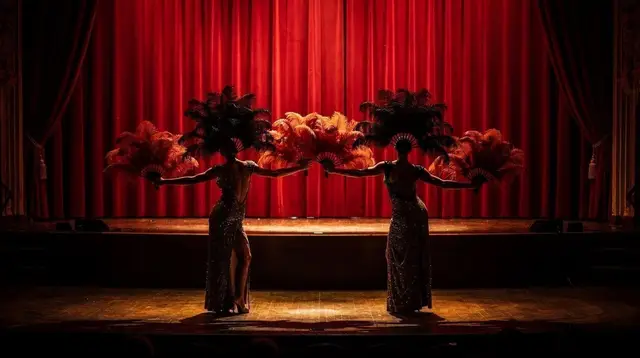
Cirque du Soleil Shows in Las Vegas: A Guide to the Resident Productions
How many Cirque du Soleil shows are there in Las Vegas, and how are they different?
Multiple Cirque du Soleil productions run in resident theaters on the Strip at any given time, each built around a distinct format rather than a single celebrity tie-in — one staged over and around a pool of water, one a pure acrobatic circus piece, and others built around a specific musical or thematic world. Which titles are running, and who they're associated with, changes over time, so always confirm current productions and showtimes on the official ticketing page before booking.
Several Different Shows, One Shared Name
“Cirque du Soleil” on a Las Vegas marquee doesn’t point to one show — it points to a company that has, for years, run several distinct resident productions on the Strip at the same time, each with its own dedicated theater, its own cast, and its own physical format. That distinction matters more than it sounds: two visitors can both say they “saw Cirque” and have watched completely different things, one an aquatic spectacle staged over a submerged pool, the other a floor-based acrobatic circus with no water at all.
It also matters because the productions themselves change. Cirque du Soleil has opened, closed, retooled and relocated shows over the years, and it has run at least one production built around a specific musician’s catalog under a licensing arrangement — an arrangement that can end or be replaced. A guide, or a Strip marquee, that names a specific artist-branded show as a permanent fixture is describing a snapshot, not a guarantee. The safest approach is to think in terms of formats — water-based, pure acrobatic, or theme-driven — and then check which specific production currently occupies which theater before you commit to a date.
This guide walks through how those formats differ, what a typical night looks like, what things actually cost once the extras are added in, and how to get to the theater door without assuming a bus or train will take you there.
The Water-Based Production at Bellagio
The longest-running and most distinctive of the resident shows is staged in a custom theater at Bellagio, built around a pool holding well over a million gallons of water beneath the stage floor. Performers dive, swim, and work suspended above the surface, and the stage itself can rise and submerge during the performance — a piece of theater engineering that doesn’t exist anywhere else on the Strip. There’s no dialogue; the show is built on visual and physical storytelling rather than a spoken narrative.
Because the format depends on that purpose-built theater, this is the one Cirque du Soleil production in Las Vegas that can’t simply move to another resort — the pool is part of the building. That’s part of why it has stayed one of the most consistently booked tickets on the Strip for over two decades, though “consistently booked” is not the same as “certain to still be running” — always confirm before locking in other plans around it.
a ticket to the water-based Cirque du Soleil production at Bellagio gets you into that specific theater and that specific format — it’s worth knowing this is the aquatic show before you book, since the name alone won’t tell you that if you’ve only seen it referenced in passing.
The Pure Acrobatic Circus at MGM Grand
At the other end of the Strip, MGM Grand hosts a production built the opposite way: no water, no pool, just a stage, aerial rigging, and a cast performing acrobatics, martial-arts-influenced choreography, and large-scale ensemble stunts. It’s closer to what a first-time visitor might picture when they hear “circus” — high-energy, physically demanding, staged around a loose narrative of a search for a lost twin rather than a fixed plot you need to follow closely.
This production also has a VIP tier that adds premium seating and additional perks beyond a standard ticket — worth knowing precisely because a standard ticket does not include those extras by default. If someone tells you Cirque tickets come with a guaranteed upgrade, that’s the exception, not the rule, and it’s sold and priced separately.
tickets to the acrobatic circus production at MGM Grand put you in the non-aquatic show, and if front-of-house seating and added extras matter to you, the VIP experience version of that same show is the option that actually includes the upgraded seating and extras — a standard ticket to the same production does not.
The Theme-Driven Production Built Around a Musical Catalog
Cirque du Soleil has also run productions structured around a specific musical world rather than an original acrobatic narrative — most notably a long-running show built around Michael Jackson’s catalog and legacy, staged with choreography, projection design and arrangements tied directly to that music. This category of show is the one most likely to change over time: licensing arrangements with an artist’s estate, a band, or a catalog owner are commercial deals with end dates, and Cirque has both opened and closed theme-driven productions in Las Vegas before.
That’s the core reason this guide avoids treating any single artist-branded title as a fixture of the Strip. If a theme-driven production is currently running when you’re reading this, it’s worth booking on its own merits — the choreography and production values tend to be a different experience from either the aquatic or pure-acrobatic formats — but it’s also worth checking, close to your travel dates, that the show is still in its listed theater and hasn’t been replaced or moved.
a ticket to the Michael Jackson-themed Cirque du Soleil production is the way to book this specific format if it’s currently running when you’re planning your trip — confirm the current schedule on the official ticketing page first.
Comparing the Formats at a Glance
| Format | Physical setup | What it feels like | Typical run length |
|---|---|---|---|
| Water-based (Bellagio) | Stage over a submerged pool, no fixed floor | Fluid, visual, no dialogue, aquatic stunts | ~90 minutes, no intermission |
| Pure acrobatic (MGM Grand) | Dry stage, aerial rigging, large ensemble | High-energy circus, loose adventure narrative | ~90 minutes, no intermission |
| Theme-driven (musical catalog) | Stage built around a specific soundtrack | Concert-meets-theater, choreography tied to the music | ~90 minutes, no intermission |
Treat this table as a way to pick a format, not as a guarantee that any one title is currently in that theater. Production names, theaters, and even which resort hosts which show can shift — the format categories are the durable part of this comparison, the specific titles are not.
What a Typical Night Actually Looks Like
Most resident Cirque du Soleil productions on the Strip follow a similar rhythm regardless of format: the show itself runs roughly 90 minutes with no intermission, doors open a set window before curtain, and latecomers are generally held at the back of the theater until a natural pause allows them to be seated without disrupting the performance. Plan to be in your seat, not just in the building, well before the posted start time.
Performances typically run two shows a night — often an earlier and a later seating — on several nights each week, with one or two dark nights built into the schedule when there’s no performance at all. The exact pattern of dark nights and showtimes differs by production and shifts seasonally, so a schedule you remember from a previous trip, or read in an older article, may not match what’s actually running on your travel dates. The only reliable source is the current calendar on the show’s official ticketing page.
What Tickets Actually Cost in 2026
Cirque du Soleil ticket pricing on the Strip works the way most resident-show pricing does: a wide range driven by seating section, night of the week, and how far in advance you book, rather than one flat number. As a rough order of magnitude for 2026, expect back-section seats to start somewhere in the lower end of a wide range and premium front-and-center seating, or VIP-tier packages, to run well into the hundreds of dollars per ticket. Treat any specific figure you see — including in this guide — as a snapshot, not a quote, and check the seating chart and live pricing on the official page before you decide on a section.
A few costs are consistently not included in the ticket price:
- Resort fees at the hosting property are billed per night to hotel guests, not to show attendees, but if you’re staying at that resort anyway, they’re unavoidable and separate from your ticket.
- Parking — both self-parking and valet — is a separate charge at almost every Strip resort, whether or not you’re seeing a show there that night. A few properties still offer limited free parking, but that’s the exception now, not the default.
- VIP seating, meet-and-greet access, or premium packages are sold as distinct products from a standard ticket, not bundled in automatically. If a package promises those extras, check that it’s the VIP or premium version of the listing, not the base ticket.
If you’re planning to see more than one show, or combine a Cirque production with other Strip attractions, it’s worth comparing the cost of individual tickets against a bundled option:
a multi-attraction pass that can include a Cirque du Soleil show alongside other Strip experiences is worth pricing out against buying tickets separately if you’re planning several activities in the same trip — the savings depend on which attractions you’d already be paying for individually.
Getting to the Theater
Every resident Cirque du Soleil theater sits inside a specific resort, and getting there is really about getting to that resort, not to a standalone venue. If you’re already staying on the Strip within a reasonable walking distance, walking in is usually the simplest option — just budget more time than the map suggests, since the Strip is roughly four miles end to end and crossing between resorts often means pedestrian bridges or cutting through casino floors.
For longer distances, the paid Las Vegas Monorail runs behind several Strip properties and can shorten the walk considerably if your resort and the show’s resort both have stations nearby — but it’s a fare-based system, not a free shuttle, and it doesn’t reach every resort. Rideshare and taxi are the most flexible option if you’re coming from a resort without a nearby monorail stop, or from off-Strip lodging, though pickup and drop-off zones can add a short walk of their own during busy hours. There is no dedicated public transit route that drops passengers directly at a theater entrance, so build a buffer into your evening rather than cutting your arrival close.
Booking Around the Rest of Your Trip
A Cirque du Soleil show pairs naturally with a broader evening on the Strip — dinner beforehand, a walk past the Strip’s landmark sights, or a nightcap afterward. If you’re new to choosing between the Strip’s many resident shows more broadly, it’s worth reading how to choose a show in Las Vegas alongside this guide, since Cirque is only one category among magic acts, musical residencies, and comedy on the Strip.
For the ticket-buying side specifically, how to buy cheap show tickets in Las Vegas covers timing strategies that can apply to Cirque productions as much as any other resident show. If you’re weighing a Cirque night against one of the Strip’s music residencies, the guide to Strip music residencies lays out that alternative format side by side. And if the evening is part of a longer stay, the one-day Strip essentials itinerary and two-day Strip and Downtown itinerary both show where a show fits naturally into a fuller schedule.
Beyond the show itself, things to do in shows and entertainment rounds up the wider category, while things to do on the Strip covers what to pair it with nearby.
Anyone new to the area’s layout should also see Las Vegas Strip versus Downtown to understand how the two entertainment districts differ, and how many days to spend in Las Vegas if a Cirque show is one piece of a still-developing itinerary. For the money side of the trip overall, the Las Vegas budget tool helps put a single ticket price in context against resort fees, parking, food and everything else layered on top of a Strip stay.
The One Thing Worth Remembering
Cirque du Soleil in Las Vegas is not a single show — it’s a rotating slate of resident productions, each locked into its own theater and its own physical format, with titles and artist tie-ins that can and do change. Pick your night based on format — water, pure acrobatics, or a musical theme — verify what’s actually playing and what it costs on the official ticketing page close to your travel dates, and budget separately for parking, resort fees and any VIP upgrade you actually want. Do that, and which specific name is on the marquee stops mattering nearly as much as which experience you’re walking into.
Cirque du Soleil in Las Vegas: Frequently Asked Questions
How many Cirque du Soleil shows are currently running in Las Vegas?
The number changes over time as productions open, close, or relocate between resorts. At any given moment there are typically several resident Cirque du Soleil shows on the Strip, each in its own dedicated theater. Check the official Cirque du Soleil site or the resort’s own box office for the current lineup rather than relying on an older list.
What’s the difference between the water-based show and the acrobatic circus show?
One long-running Bellagio production is staged in and around a purpose-built pool, with performers diving, swimming and doing aerial work above the water — a format unique to that theater. A separate MGM Grand production is a more traditional acrobatic circus piece, with no water element, built around athletic feats, character work and stage machinery. They are different companies of performers, different theaters, and different physical formats, not variations on the same show.
Is a Cirque du Soleil show tied to a specific musical artist always going to be running?
No. Cirque du Soleil has staged theme-driven productions built around a musical catalog or artist’s legacy, and these arrangements can end, change, or be replaced by a different theme over time. Never assume a named production will still be on stage on your travel dates — verify the current show and its theater on the official ticketing page before you book anything else around it.
How long are the shows, and is there an intermission?
Most resident Cirque du Soleil productions in Las Vegas run around 90 minutes with no intermission. Doors typically open shortly before showtime, and latecomers are often held until a suitable pause in the performance, so it’s worth arriving with buffer time rather than cutting it close.
How many performances are there per night, and which nights are dark?
Most productions run two performances on show nights, several nights a week, with one or two dark nights (no performance) built into the weekly schedule. The specific dark nights and showtimes vary by production and by season, so check the calendar on the official ticketing page for your exact travel dates rather than assuming a fixed pattern.
How much do tickets cost, and does the price include a VIP seat or the resort fee?
Ticket prices vary widely by production, seating section, and night of the week, and typically span a wide range from budget-friendly rear sections to premium front rows. A standard ticket does not include VIP seating, meet-and-greet access, or any resort fee, parking, or gratuity — those are separate charges on top of the ticket price. Always check the seating chart and current pricing on the official ticketing page rather than assuming a fixed figure.
Is parking free if I’m going to see a show?
Not automatically. Most Strip resorts charge for both self-parking and valet, and a show ticket does not waive that fee. A handful of properties still offer limited free self-parking, but this varies by resort and can change, so check the specific resort’s current parking policy before you drive.
Can I get to the theater by public transit?
There’s no dedicated public transit line that drops visitors at a specific theater door. Most visitors walk from a nearby resort, use the paid Las Vegas Monorail if the resort has a station nearby, or take a rideshare or taxi to the resort’s main entrance and walk in from there. Build in extra time if you’re walking any distance along the Strip beforehand.
Las Vegas Show Tickets
Verified deep-linked GetYourGuide tours. Book through these links and we earn a small commission at no cost to you.
GetYourGuide does not provide a product photo for this activity — the image shows the meeting point, photographed by us.