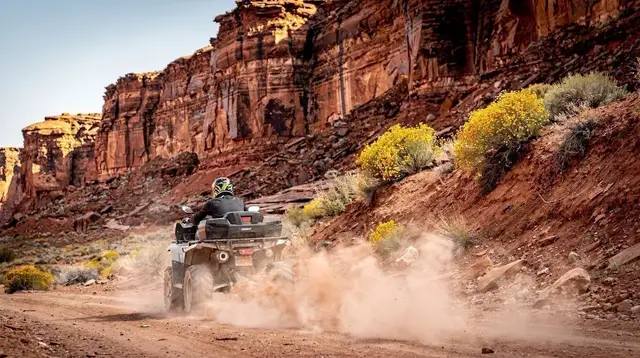
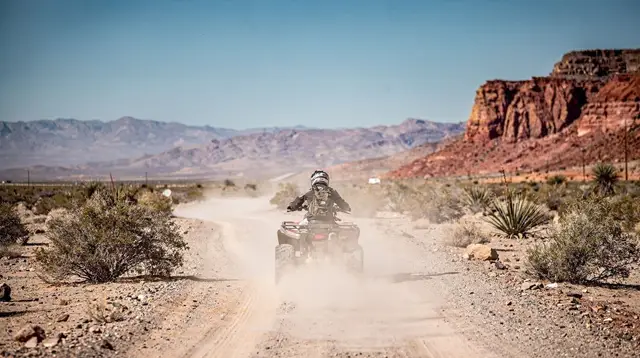
Mojave Desert ATV & Buggy Tours from Las Vegas
How much does an ATV or buggy tour near Las Vegas cost, and how long does it last?
Guided Mojave Desert ATV and buggy tours from Las Vegas typically run 1.5 to 3 hours and cost roughly $100-180 per person in 2026, depending on the vehicle (single-rider ATV versus a two-seat buggy) and tour length. Nearly all reputable operators require a mandatory safety briefing and provide a helmet and goggles before you ride.
What a Mojave Desert ATV or buggy tour actually involves
The Mojave Desert around Las Vegas looks empty on a map, but the ATV and buggy tours that operate here are not a free-for-all across open land. Commercial off-road tourism runs on a small number of regulated tracks and staging areas — dedicated speedway-style courses and designated desert trails to the west and north of the city — where operators hold the permits and insurance to run guided groups. If you are picturing an unsupervised drive out into the dunes, that is not what most visitors book, and it is not what this guide is describing.
What you actually get is a structured experience: a check-in at a staging yard, a mandatory safety briefing, a helmet and goggles fitted to you, and then a guided convoy behind a lead vehicle over a marked route. It is closer in spirit to a supervised activity than to renting a car and driving off on your own, and that structure is exactly what keeps both the terrain and the riders safe.
Distance from the Strip and typical logistics
Most of the commercial ATV and buggy operations sell themselves on proximity, and for good reason — this is one of the easier “desert adventure” categories to fit into a single morning or afternoon without eating your whole day. Staging areas typically sit somewhere in the range of 20 to 40 minutes from the Strip by road, depending on the specific site and which part of the Strip you are starting from. Some tours include hotel pickup as part of the package, which adds time on both ends of the trip but removes the need to arrange your own transport or worry about renting a car just for this.
Because the staging areas are relatively close, this activity slots well into itineraries that already include a morning at Red Rock Canyon or an afternoon show back on the Strip. It is one of the more schedule-friendly desert excursions precisely because it does not demand the multi-hour drive that trips to Valley of Fire or further afield require.
How long does a tour last, and what does it cost in 2026
Tour length varies by operator and package, but the core options cluster fairly tightly:
| Tour length | Typical price per person (2026) | What’s usually included |
|---|---|---|
| ~1.5 hours | roughly $100-130 | Single ATV or shared buggy seat, safety briefing, helmet/goggles |
| ~2 hours | roughly $120-150 | Longer route, sometimes a photo stop |
| ~2.5-3 hours | roughly $150-180 | Extended route, sometimes combined with a stop like a ghost town or scenic overlook |
Vehicle type affects the price too. A solo ATV, where you drive your own single-rider machine, tends to sit at the lower end of a given time bracket. A two-seat buggy — one driver, one passenger, both strapped in with roll cage protection — often costs a bit more per person for the same duration, partly because it allows non-drivers and younger riders to participate as passengers. Hotel pickup, fuel surcharges, and photo packages are common add-ons that push the final price above the base rate, so read the fine print before assuming the advertised figure is the total.
this guided desert ATV tour is a solid baseline example of the single-rider format, while this guided desert buggy tour covers the two-seat option for travelers who want to bring a non-driving companion along.
Safety briefing, equipment, and what’s mandatory
Every legitimate operator in this space runs a mandatory pre-ride safety briefing — this is not optional, and it is not a formality you can skip by arriving late. Expect to cover: how to start, stop, and steer the vehicle; hand signals used within the convoy; what to do if you get separated from the group; and basic terrain hazards like loose sand, washes, and sudden dips.
Standard equipment provided by the operator typically includes:
- A DOT-approved helmet, sized and fitted at check-in
- Goggles to protect against dust and flying debris
- Sometimes a neck gaiter or bandana for added dust protection
What you should bring or wear yourself:
- Closed-toe shoes — sandals are generally not allowed on the vehicles
- Long pants and a shirt covering your shoulders, even in summer, since sand and gravel kick up constantly
- Sunglasses to wear under or instead of goggles on non-dusty stretches
- A water bottle, since desert riding is dehydrating even in cooler months
- Sunscreen, applied before you arrive
Age minimums and driver’s license requirements
This is one of the areas where operators are strict, and for good reason — riders don’t get a second chance if something goes wrong at speed on loose terrain. Two rules recur across almost every operator in the Las Vegas area:
Driving an ATV or buggy solo generally requires a valid driver’s license, and staff check this at registration, not casually. A foreign license is usually accepted, but an expired or missing license means you will not be allowed behind the wheel, full stop.
Minimum ages differ by vehicle and role. Solo ATV driving is commonly restricted to riders in their mid-teens and up (commonly around 16, though this varies by operator), while two-seat buggies with a licensed adult driving often permit younger children to ride along as a passenger. If you are traveling with kids and want them included, check the specific age and height requirements for the tour you’re booking rather than assuming any operator’s policy applies broadly — this varies enough between companies that a blanket rule would be misleading.
This ATV and buggy tour with hotel pickup is built around exactly this mixed-group scenario, offering both vehicle types on one outing so a group with different ages and license situations can ride together.
Heat, dust, and what the desert actually feels like
The Mojave Desert does not ease up just because you’re on a vehicle instead of on foot. Dust is a constant on these tracks — loose sand and dry desert soil get thrown up by every vehicle in the convoy, and by mid-tour most riders are glad to have goggles on. This is true in any season, not just summer.
Heat is the bigger seasonal variable. From roughly May through September, daytime temperatures in the Las Vegas area regularly reach the high 30s to low 40s Celsius (100-110°F+), and riding gear traps heat even as the vehicle’s motion creates a breeze.
Many operators shift their departure times earlier in the morning or later in the afternoon during peak summer to avoid the worst midday heat — if you’re booking a July or August tour, check what time slots are actually available, since the midday options may simply not exist. For more on how the region’s heat affects planning across the board, see the Las Vegas summer heat guide and general desert driving safety tips.
Winter tours are more forgiving on temperature but the dust and dryness don’t disappear — bring water and eye protection regardless of the month you visit.
ATV/buggy tours versus the Nellis Dunes and Logandale off-road tour
It’s worth being clear about what this guide covers and what it doesn’t, because these two categories get confused often. The tours described above — on dedicated speedway-style tracks or set desert trails closer to the city — are built around a faster pace, tighter routes, and a shorter time commitment. They’re the more “adrenaline and structure” end of desert off-roading.
The separate Nellis Dunes and Logandale off-road tour is a different product: it emphasizes open dune landscapes and a more exploratory, scenery-focused pace, generally over a longer outing further from the Strip. If you want speed and a compact time slot that fits into a half day, the tours in this guide are the better match. If you want a longer, more immersive desert landscape experience, that separate tour is worth reading about instead. Some travelers do both on different days of the same trip, since the feel of each is genuinely different.
This Mojave Desert ATV tour from Las Vegas is a good representative option if the shorter, track-based format described in this guide is what you’re after.
Combining a desert ride with other nearby stops
Because the staging areas sit relatively close to the city, some tours build in a secondary stop — a scenic overlook, a photo opportunity, or occasionally a detour toward a historic site — as part of the package. This guided Mojave off-road adventure is one example that frames the ride as part of a broader desert outing rather than a pure speed-focused loop.
If your day allows for more than one desert activity, pairing a morning ATV or buggy tour with an afternoon at Red Rock Canyon or a scenic drive works well precisely because both fit inside a half day. For a broader sense of what fits together time-wise, the guide on choosing a half-day trip from Las Vegas and the general breakdown of day trips from Las Vegas by drive time are useful starting points for building out the rest of your itinerary.
Small group versus larger tour formats
Group size varies by operator and can affect both price and pace. Smaller convoys generally mean more individual attention from the lead guide and a bit more flexibility on route pacing, while larger groups can mean more waiting between briefing and actually starting your ride. If you’re deciding between a smaller boutique operator and a larger, higher-volume tour company for any desert excursion — not just ATV and buggy tours — the general considerations in small group versus large bus tour day trips and guided tour versus rental car for day trips apply reasonably well here too, even though those guides are framed around bus-based excursions.
Booking tips before you go
A few practical points worth checking before you confirm a reservation:
- Confirm the exact vehicle type — solo ATV versus two-seat buggy — since pricing, age rules, and license requirements differ between them.
- Ask about hotel pickup cutoff times if you’re booking a tour with transport included; pickup windows can be tighter than the advertised tour start time suggests.
- Check the cancellation and weather policy. Desert tours sometimes adjust or reschedule around extreme heat advisories or, less commonly, rare rain events that can affect track conditions.
- Bring a printed or digital copy of your driver’s license if you intend to drive — a passport alone is usually not an accepted substitute at check-in.
- Eat something and hydrate before arrival. Tours run outdoors in vehicles that vibrate and bounce over uneven terrain; riding on an empty stomach in desert heat is a common and avoidable discomfort.
Frequently asked questions about Mojave Desert ATV and buggy tours
Do I need a driver’s license for a Mojave Desert ATV or buggy tour?
Most operators require a valid driver’s license to pilot an ATV or a buggy yourself, including for visitors on a foreign license. Riders without a license, and children below the operator’s minimum age, can usually ride as a passenger in a two-seat buggy instead.
What is the minimum age for these tours?
Minimum ages vary by operator and vehicle. Solo ATV driving is commonly restricted to riders around 16 and up, while two-seat buggies with an adult driver often allow younger children as passengers. Always check the specific tour’s age policy before booking, since it is enforced at check-in, not negotiable on site.
How close are these desert riding areas to the Las Vegas Strip?
Most commercial ATV and buggy staging areas sit roughly 20 to 40 minutes from the Strip by road, depending on which operator and site you book, with several offering hotel pickup that adds time on both ends.
Is it hot and dusty even outside of summer?
Dust is a near-constant feature of Mojave Desert riding at any time of year, since the terrain is loose sand and dry washes. Heat is worse from roughly May through September, but even winter days can be warm and dry enough to need water and eye protection.
Can I drive a buggy or ATV on my own without a guide?
No. The areas used for commercial tours are regulated, and independent, unguided riding is not how these operators run their trips. Every reputable tour includes a lead guide, a set route, and a mandatory safety briefing before anyone drives.
What is the difference between this and the Nellis Dunes / Logandale tour?
This guide covers faster-paced, single- or two-seat ATV and buggy tours on dedicated off-road tracks closer to the city. The Nellis Dunes and Logandale off-road tour is a separate product built around a more open, exploratory dune and desert landscape further from the Strip, with a different pace and scenery.
What should I wear on an ATV or buggy tour?
Closed-toe shoes, long pants, and a shirt that covers your shoulders are strongly recommended even in summer, since the vehicles kick up sand, gravel, and dust. Sunglasses or a bandana under the provided goggles help on dusty stretches, and sunscreen matters year-round in the desert.
Do tours run in extreme summer heat?
Yes, but operators often shift departure times earlier in the morning or later in the afternoon during peak summer months to avoid the worst midday heat. Confirm your exact start time when booking in June through August.
ATV and Off-Road
Verified deep-linked GetYourGuide tours. Book through these links and we earn a small commission at no cost to you.
GetYourGuide does not provide a product photo for this activity — the image shows the meeting point, photographed by us.